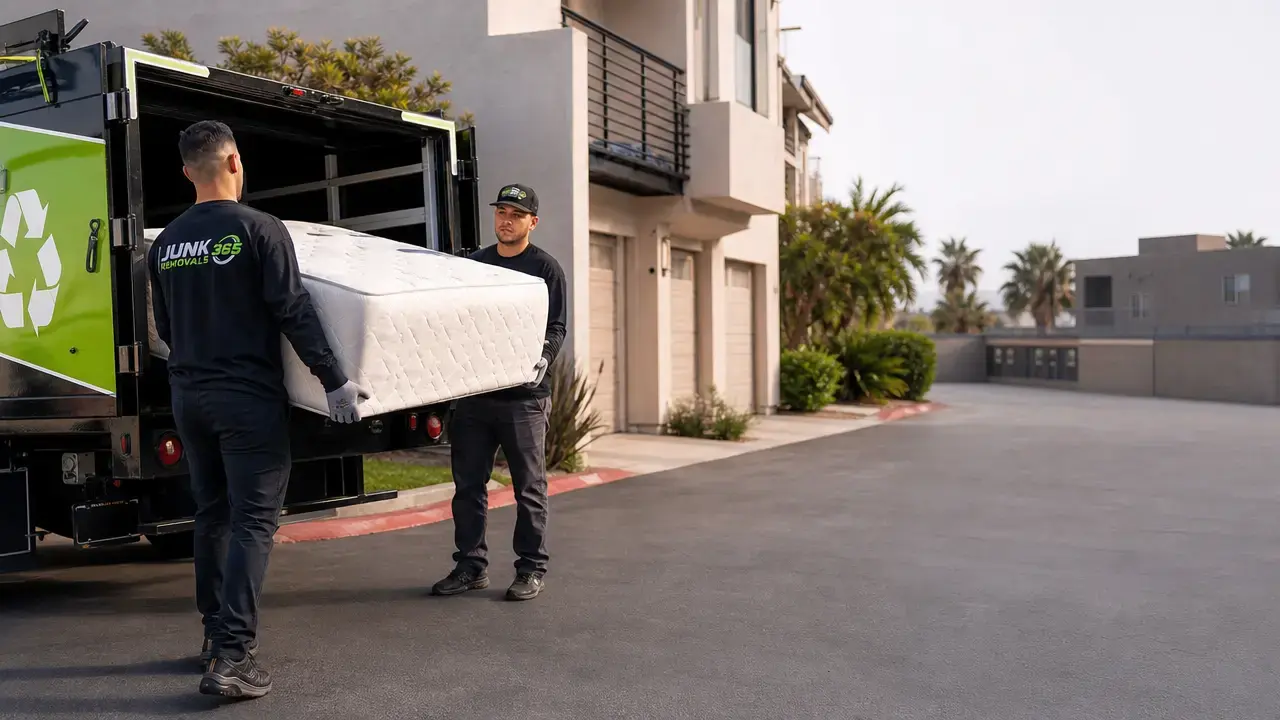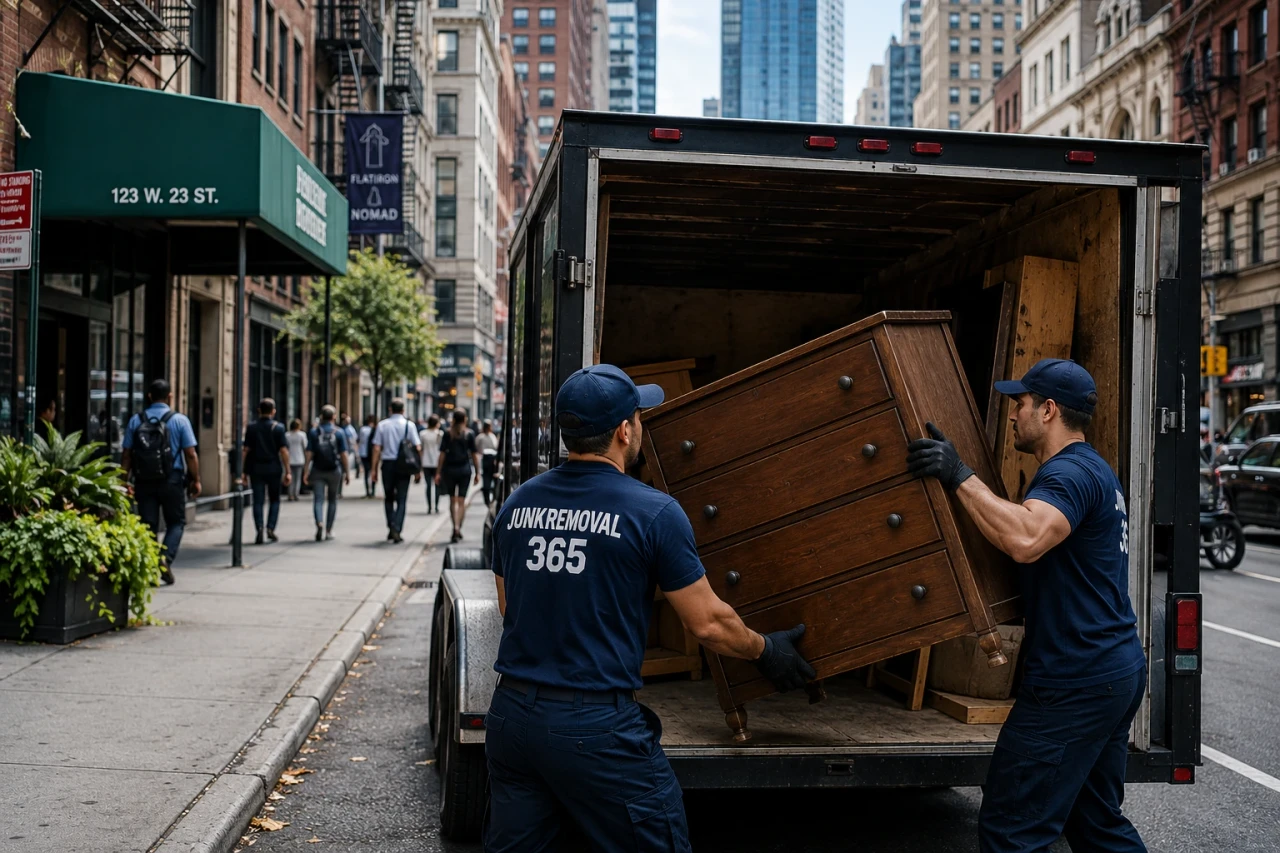
New York furniture removal can be complicated by apartment rules, narrow stairways, elevator schedules, and local disposal restrictions. This guide explains what residents should know before removing bulky furniture in New York.
Why Furniture Removal Is Different in New York Apartments
New York furniture removal is rarely as simple as dragging an old sofa to the curb. Apartment living adds layers of planning: elevator reservations, loading dock windows, building superintendent approval, tight stairwells, street parking limits, and local waste rules that can change from one municipality to the next. A resident in a prewar walk-up faces a very different removal day than someone in a high-rise with a freight elevator, yet both need the same thing: bulky furniture gone without damaging walls, floors, or common areas.
Across New York, apartment residents often deal with short lease turnover timelines, co-op board requirements, landlord inspections, and move-out deadlines. A bulky sectional, dresser, bed frame, or dining table can slow down an entire move if it cannot fit through the hallway or if the building only allows service work during certain hours. That is why planning ahead matters, especially in dense areas where parking and elevator access can be just as important as the furniture itself.

For residents who want help without guessing at local disposal rules, professional New York furniture removal can be a practical option. A crew can remove items from inside the apartment, navigate building access, and haul away pieces that are too large for standard household trash handling.
Common Apartment Furniture Problems Across New York
Furniture removal challenges in New York often come from the setting as much as the furniture. In older apartment buildings, hallways may be narrow, stair landings may be awkward, and door frames may not accommodate oversized modern furniture. In newer buildings, the issue may be less about space and more about management rules, insurance requirements, loading areas, or limited freight elevator time.
Common situations include:
- Moving out of a rental: A lease ends soon, but a couch, mattress platform, or entertainment center will not fit in the new place.
- Landlord turnover: Property owners need abandoned furniture removed before cleaning, painting, or listing the unit again.
- Co-op or condo updates: Residents replacing old furniture may need removal scheduled during approved building hours.
- Student housing transitions: Apartments near colleges often accumulate desks, futons, dressers, and chairs at the end of a semester.
- Weather-related cleanup: Snow, rain, and humid summers can damage items stored on balconies, in basements, or near entryways.
- Downsizing: Residents moving from larger suburban homes into New York apartments often discover that oversized furniture will not work in a smaller layout.
Elevators, Stairwells, and Tight Hallways
Access is one of the biggest factors in apartment furniture removal. A dresser that looks manageable in a bedroom can become difficult once it reaches a corner landing. Large couches may need to be tilted, rotated, or partially disassembled. In buildings without elevators, stair carries require extra care to protect railings, walls, and floors.
If your building has a freight elevator, ask management whether it must be reserved. Some properties require a certificate of insurance, a specific time window, or protective padding in shared areas. Even if the furniture is ready to go, a missed elevator reservation can delay the entire pickup.
Lease Turnovers, Co-ops, and HOA Rules
New York apartments are often governed by rules that residents do not think about until move-out week. Co-op buildings may limit service providers to weekday daytime hours. Condo associations may prohibit leaving bulk items in common areas. Rental buildings may charge fees if furniture is abandoned near trash rooms or blocks a hallway.
Before scheduling pickup, check your lease, building portal, move-out packet, or superintendent instructions. If the property requires advance notice, reserve the service elevator before the removal date. This helps avoid last-minute conflicts and keeps the cleanout respectful of neighbors who share the building.
What to Do Before Scheduling a Pickup
A little preparation can make furniture removal faster and less stressful. You do not need to do the heavy lifting yourself, but you should make sure the crew can access the item and that your building allows the removal to happen at the planned time.
Use this checklist before pickup day:
- Confirm the furniture list. Count large items such as sofas, bed frames, tables, bookcases, dressers, cabinets, and recliners.
- Measure problem areas. Check doorways, elevators, stair turns, and hallways if an item barely fit when it came in.
- Remove personal items. Empty drawers, storage benches, cabinets, and sleeper sofa compartments.
- Ask about building rules. Confirm service hours, elevator reservations, loading area access, and proof-of-insurance requirements if applicable.
- Clear a pathway. Move small rugs, shoes, plants, boxes, and fragile decor out of the removal route.
- Identify special concerns. Tell the crew about broken legs, loose glass, sharp hardware, or furniture affected by pests or moisture.
If the cleanout includes more than furniture, it may help to pair the project with broader junk removal services. That can be useful for moving boxes, old shelving, bagged clutter, small appliances, and miscellaneous items left behind during an apartment turnover.

Furniture Disposal Options Compared
New York residents have several ways to get rid of old furniture, but each option has tradeoffs. The right choice depends on your deadline, building rules, item condition, vehicle access, and whether you can safely move the furniture yourself.
| Option | Best For | Limitations |
|---|---|---|
| Municipal bulk pickup | Residents with flexible timing and items accepted by local rules | Rules vary, pickup dates may be limited, and curb placement may not be allowed by the building |
| Donation | Gently used furniture in good condition | Many organizations decline stained, damaged, oversized, or hard-to-move items |
| Self-hauling | Small items and residents with a suitable vehicle | Requires lifting help, disposal location research, fuel, time, and potential fees |
| Professional furniture removal | Bulky items, tight timelines, apartments, and multi-item cleanouts | Requires scheduling and clear information about access and item volume |
For apartment residents, the biggest advantage of professional removal is that items can often be taken directly from inside the unit. That matters when a building does not allow residents to leave furniture in hallways, trash rooms, loading docks, or outside overnight. It also reduces the risk of injury from lifting heavy pieces down stairs or around narrow corners.
Eco-Conscious Furniture Removal in New York
Not every item removed from an apartment needs to go straight to disposal. Some furniture can be reused, donated, broken down for parts, or routed toward appropriate disposal channels depending on condition and local availability. A sturdy table, clean dresser, or lightly used chair may have more life left in it. On the other hand, upholstered furniture with heavy staining, pest concerns, broken frames, or water damage may have fewer reuse options.
New York residents often want to avoid waste, but donation is not always as easy as it sounds. Many organizations have size limits, condition standards, pickup windows, and restrictions on mattresses, sleeper sofas, particleboard furniture, or items with missing parts. If donation is your first choice, take clear photos, note dimensions, and ask the organization about acceptance before scheduling your move-out plan around it.
Eco-conscious removal starts with sorting. Separate furniture that is still usable from items that are broken, damp, or unsafe. Remove household trash from drawers and shelves so the removal crew can better assess what is being taken. When possible, professional furniture removal helps streamline the process by handling the heavy work and directing items according to practical disposal options in the area.
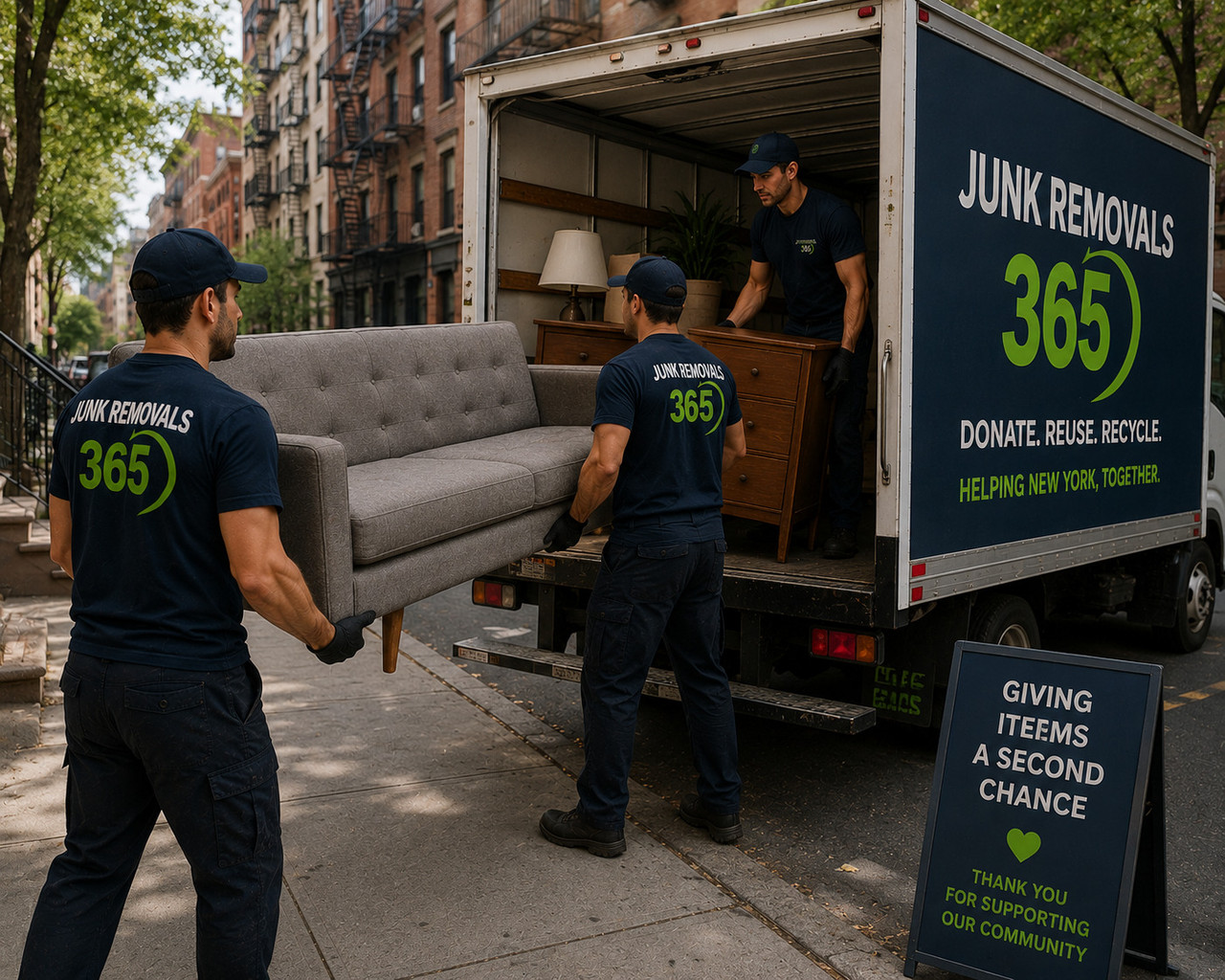
FAQ: New York Furniture Removal for Apartment Residents
Apartment residents often have similar questions when preparing for New York furniture removal. The details can vary by building and municipality, but the following answers cover the most common situations.
Can furniture be left at the curb in New York?
Sometimes, but not always. Curb rules depend on the local sanitation department, item type, building policy, and pickup schedule. Some municipalities require bulk items to be placed out only on specific days. Some apartment buildings do not allow residents to place items outside at all without management approval. Upholstered furniture, mattresses, and large items may also have special requirements. Before leaving anything outside, confirm both local rules and building rules to avoid fines, rejected pickup, or complaints from neighbors.
Do I need to take furniture apart first?
Not always. Many items can be removed as they are, but disassembly may help if the furniture is oversized, fragile, or wedged into a tight space. Bed frames, modular sectionals, dining tables, and large shelving units are often easier to move once legs, cushions, shelves, or detachable sections are removed. If you are unsure, mention the item type and apartment access when scheduling. A trained crew can usually determine whether disassembly is needed on site.
What happens if the elevator is unavailable?
If a freight elevator is unavailable, the removal may require stairs, rescheduling, or a different plan depending on the building rules and the size of the furniture. Stair removal can be possible, but it requires enough space and safe conditions. If your building has strict elevator policies, reserve the elevator before booking the pickup time. For apartments with no elevator, provide the floor number and any access details in advance so the crew can arrive prepared.
Final Thoughts for New York Apartment Cleanouts
New York furniture removal is easiest when residents plan around the realities of apartment living. The furniture itself is only part of the job. Building access, elevator schedules, municipal rules, parking, lease deadlines, and disposal options all affect how smoothly the cleanup goes. Whether you are replacing a couch, clearing a rental before inspection, helping a tenant turnover, or downsizing into a smaller apartment, preparation makes a noticeable difference.
Start by checking your building rules, listing the items that need to go, and clearing a safe path from the apartment to the exit. If the project includes bulky furniture that you cannot move safely, a professional pickup can save time and reduce the risk of property damage. For residents balancing a move, renovation, or landlord deadline, dependable furniture removal across New York can turn a stressful cleanout into a manageable part of the process.

Written by
junk removals 365 team
The Junk Removals365 Team shares expert tips and insights on junk removal, cleanouts, recycling, and clutter-free living, helping homeowners and businesses keep their spaces clean and organized.
Our Related Services
Junk Removal
Full service junk removal for homes and businesses — same-day pickup, upfront pricing, and eco-friendly disposal you can count on.
Mattress Removal
Responsible mattress disposal that keeps 90% of materials out of the landfill — any size, any floor.
Couch Removal
Same-day pickup available — we haul any couch, sofa, or sectional from anywhere in your home.