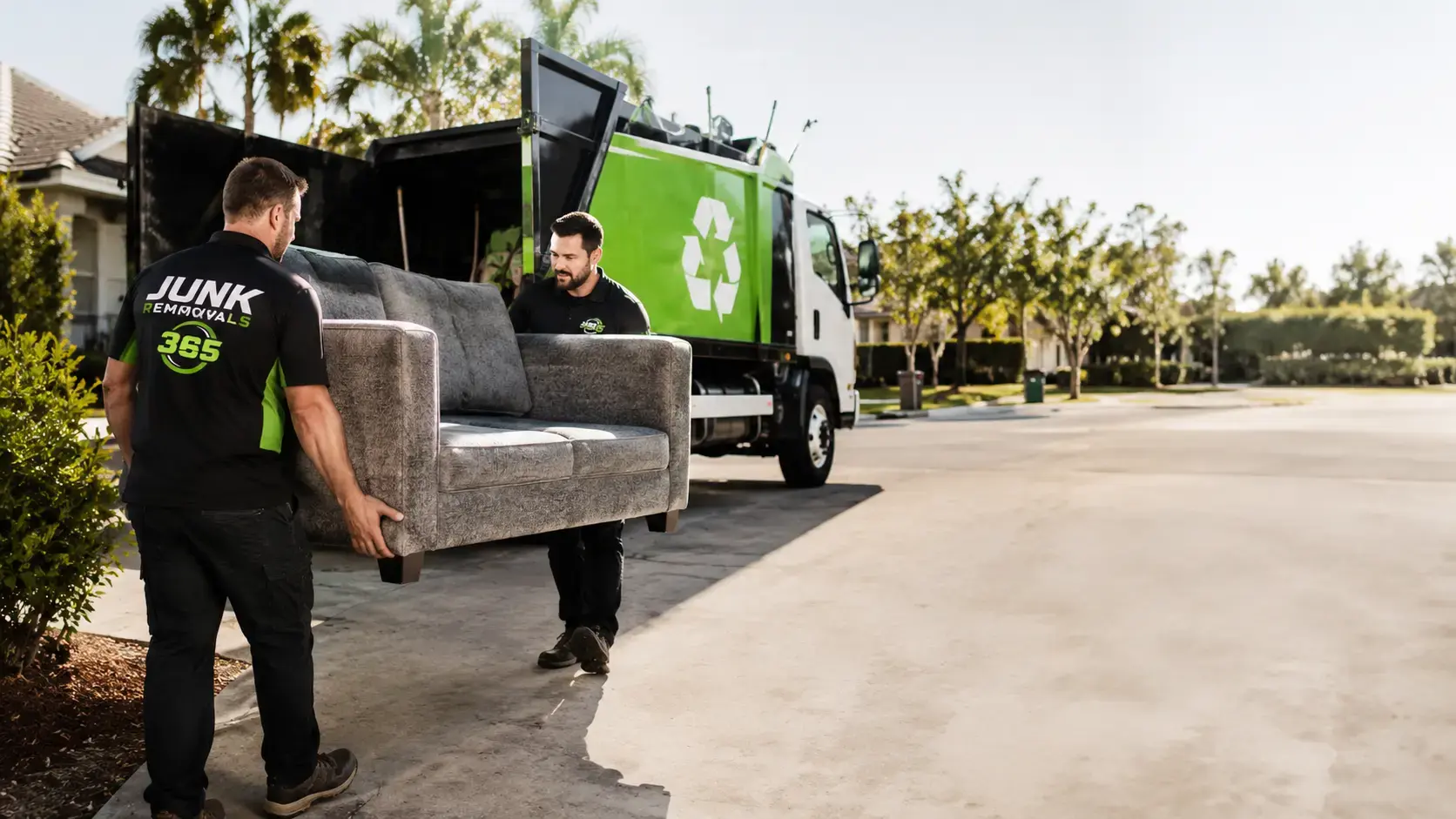
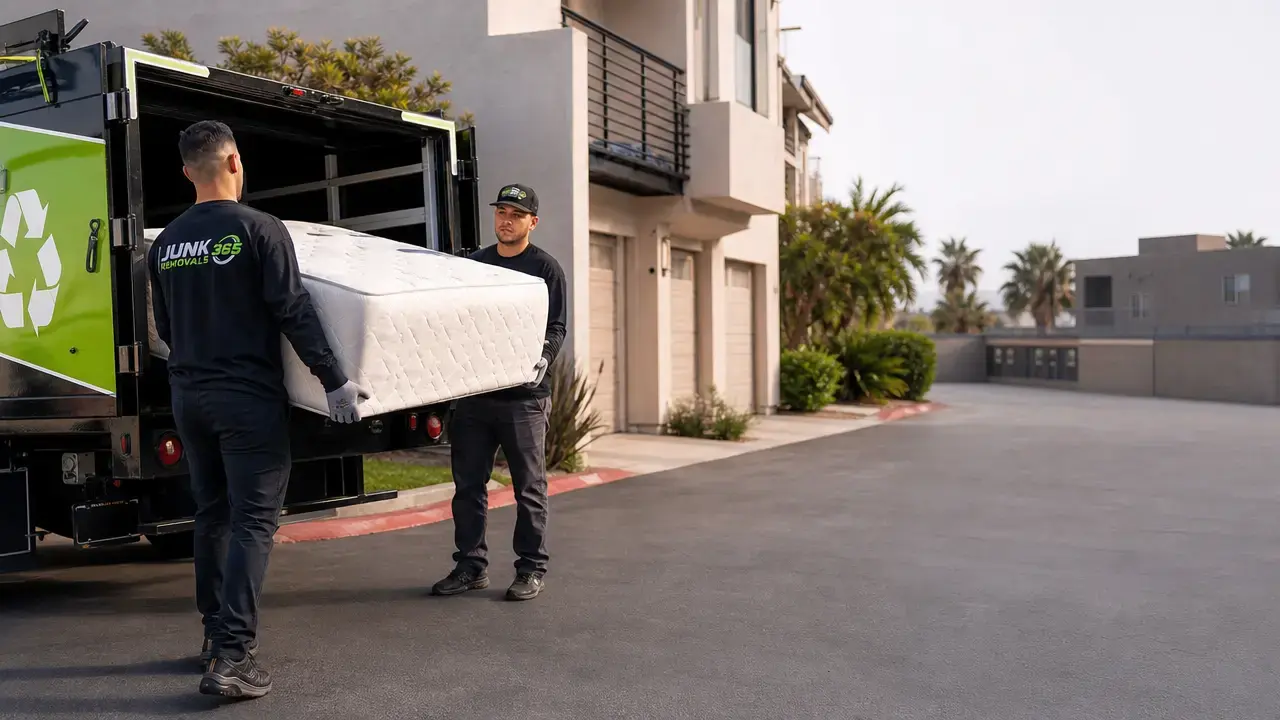
Broken chairs, sagging sofas, cracked dressers, and damaged tables can be difficult to move when you do not own a pickup truck. This guide explains practical ways to dispose of broken furniture nationwide without adding extra stress to your move, renovation, or cleanout.
Why Broken Furniture Is Hard to Handle Without a Truck
Trying to dispose of broken furniture sounds simple until the item is halfway stuck in a hallway, scratching the door frame, or too heavy to lift into a borrowed SUV. A cracked dresser, collapsed recliner, water-damaged bookcase, or broken sectional can be bulky, sharp, dirty, and awkward all at once. For many households nationwide, the biggest obstacle is not deciding that the furniture needs to go. It is figuring out how to remove it safely without renting a truck, calling in favors, or risking a strained back.
Broken furniture is especially common during moving season, apartment turnovers, college move-outs, storm cleanup, basement renovations, and landlord cleanouts. Older pieces may fall apart during a move, while particleboard furniture can swell after water exposure or split when disassembled. Even if your city offers some type of bulk collection, rules often vary by neighborhood, building, or waste hauler. That is why many homeowners and renters compare curbside pickup, donation, reuse, and professional furniture removal services before choosing the best option.

The good news is that you do not need to rent a truck just to get rid of one damaged couch or a few broken chairs. With a little planning, you can choose the disposal method that fits your building rules, timeline, budget, and environmental priorities.
What Counts as Broken Furniture?
Broken furniture includes more than pieces that are completely unusable. Many items look acceptable from a distance but are unsafe, unsanitary, or no longer practical to keep. If an item cannot be safely sat on, slept on, stored in, or moved without falling apart, it may be time to dispose of it.
- Sofas and sectionals with collapsed frames, torn upholstery, broken recliners, or pet damage.
- Dining tables and chairs with cracked legs, loose joints, or missing hardware.
- Dressers, wardrobes, and bookshelves that lean, split, or have broken drawers.
- Bed frames and headboards with damaged rails, stripped screws, or bent metal supports.
- Office furniture such as broken desks, filing cabinets, and worn task chairs.
- Outdoor furniture damaged by rain, snow, wind, sun exposure, or rust.
In many areas, upholstered pieces can be harder to dispose of than wood or metal furniture because of sanitation concerns, bed bug policies, or landfill restrictions. That is why it helps to identify the material, condition, and size of each item before scheduling pickup or setting anything outside.
Your Main Options for Furniture Disposal
When you do not have a truck, your choices usually come down to convenience, timing, and how much lifting you are willing to do. Some options are free but limited. Others cost more but save time and labor.
Curbside Bulk Pickup
Many municipalities and private waste haulers offer bulk pickup for large household items. This can work well for a single broken chair, small table, or lightweight shelving unit. However, curbside rules are often strict. You may need to schedule weeks in advance, place items outside only during a short pickup window, wrap upholstered items in plastic, remove glass, or separate metal components.
Curbside pickup may not be ideal if you live in a high-rise, gated community, narrow urban street, or HOA neighborhood where leaving furniture outside can lead to fines. It also does not solve the lifting problem. If the dresser is upstairs or the sofa is in a basement, someone still has to carry it out.
Donation, Repair, or Reuse
If the furniture is only lightly damaged, donation or reuse may be possible. A sturdy wood table with cosmetic scratches might be accepted by a reuse store, while a chair with a loose screw could be repaired. Online neighborhood groups can also be useful for items that need minor work.
Donation becomes much less likely when furniture has broken frames, heavy staining, odors, water damage, missing cushions, exposed nails, or pest concerns. Most charities cannot accept items that are unsafe or costly to repair. Before loading anything or arranging transport, send clear photos and describe the damage honestly.
Professional Furniture Removal
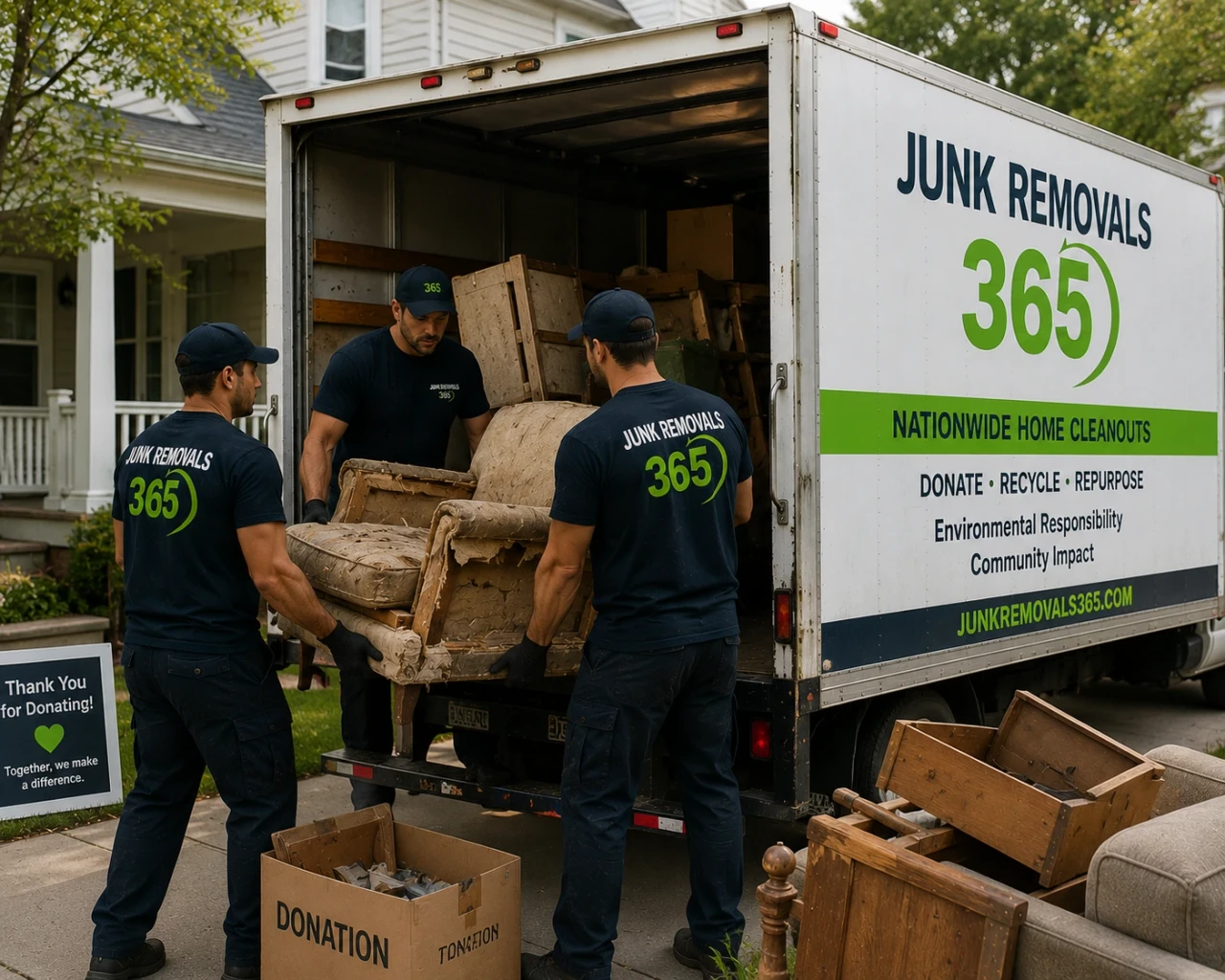
Full-service pickup is often the easiest option when you need broken furniture removed from inside the home. A crew can remove items from bedrooms, garages, storage units, offices, rental properties, and apartment buildings without you renting equipment or hauling heavy pieces yourself. For households comparing options across the country, national furniture removal can be especially helpful when local bulk pickup rules are confusing or unavailable.
Professional removal is also useful when you have multiple items, stairs, tight corners, elevator reservations, or a deadline tied to a lease, closing date, renovation, or inspection.
How to Prepare Broken Furniture for Pickup
Whether you use a city service, a private hauler, or full-service furniture removal, preparation makes the process smoother. You do not need to overdo it, but a few steps can prevent delays and keep your space safer.
- Measure doorways and hallways. If an item barely fit coming in, it may need to be tilted, partially disassembled, or removed in sections.
- Remove loose parts. Take out drawers, cushions, shelves, legs, and glass inserts when possible.
- Watch for sharp edges. Broken wood, metal brackets, staples, and cracked glass can injure anyone handling the item.
- Clear a path. Move shoes, rugs, boxes, pet bowls, and small decor away from the route.
- Check building rules. Apartments and condos may require elevator padding, loading dock reservations, or proof of pickup time.
- Take photos. Photos help describe the item accurately when requesting quotes or confirming pickup requirements.
If a piece is unstable, do not keep testing whether it can be carried in one piece. A broken dresser can collapse on stairs, and a cracked table can shift unexpectedly. When in doubt, leave the lifting to a trained removal team.
Apartment, HOA, and Rental Considerations
Furniture disposal gets more complicated when shared property rules are involved. Apartment communities, HOAs, condos, and rental homes often have policies that prevent residents from leaving large items near dumpsters or curbs. These rules are not just about appearance. They help prevent blocked sidewalks, pest problems, overloaded dumpsters, and extra charges from waste companies.
If you are moving out of a rental, ask your property manager about bulk item procedures before the final walkthrough. Landlords may charge removal fees if a broken sofa, mattress platform, or entertainment center is left behind. In managed apartment buildings, the maintenance staff may also require you to schedule elevator time or use a service entrance.
- For apartments: confirm whether furniture can be staged in a trash room, loading area, or curbside zone.
- For HOAs: check pickup days, visible storage restrictions, and limits on overnight curb placement.
- For landlords: schedule cleanouts before new tenant move-in dates to avoid rush fees.
- For homeowners: plan around weather, driveway access, and neighborhood collection calendars.
For larger cleanouts involving broken furniture plus boxes, old rugs, or garage clutter, it may be worth pairing furniture pickup with broader junk removal so everything leaves in one visit.
Furniture Disposal Costs: DIY vs Full-Service Removal
The cheapest option on paper is not always the cheapest in real life. DIY disposal can involve truck rental, fuel, dump fees, protective blankets, extra labor, time off work, and the risk of damage to walls or vehicles. Full-service removal usually costs more upfront, but the price often includes labor, hauling, transportation, and disposal coordination.
| Option | Best For | Common Drawbacks |
|---|---|---|
| Curbside bulk pickup | Small items and flexible timelines | Limited schedules, strict rules, and no indoor lifting help |
| DIY landfill or transfer station | People with a truck and lifting help | Vehicle rental, fuel, dump fees, and physical labor |
| Donation or reuse | Lightly damaged furniture in usable condition | Not available for unsafe, stained, or heavily broken items |
| Full-service furniture removal | Heavy, awkward, upstairs, or time-sensitive removals | Higher upfront cost than some municipal options |
For many households, the deciding factor is convenience. If you only have a small chair and your bulk pickup day is tomorrow, curbside may be enough. If you have a broken sectional in a second-floor apartment and a lease ending this weekend, full-service removal can prevent a long list of problems.
Eco-Friendly Ways to Dispose of Broken Furniture
Not every broken item has to go straight to a landfill. Depending on the material and condition, parts of the furniture may be reusable, recyclable, or recoverable. Wood, metal frames, hardware, and some textiles can sometimes be separated, while usable pieces may be routed toward donation or resale channels.

Eco-friendly furniture disposal starts with being realistic. A clean wood table with one loose leg may have a second life. A moldy couch from a flooded basement probably does not. Still, responsible sorting can reduce waste whenever local options allow it.
- Separate metal legs, brackets, and hardware when safe to do so.
- Offer repairable items through local reuse groups with clear photos.
- Avoid dumping furniture beside dumpsters, alleys, or vacant lots.
- Ask removal providers how they handle donation, recycling, and disposal.
- Keep upholstered items dry while waiting for pickup to prevent mildew.
Weather can matter, too. Rain, snow, and humidity can turn a repairable piece into trash quickly. If you are staging furniture outside, keep the pickup window short and follow any local wrapping rules for upholstered items.
Frequently Asked Questions
Can broken furniture be donated?
Sometimes, but only if the damage is minor and the item is still safe, clean, and usable. Most donation centers will not accept furniture with broken frames, heavy stains, odors, missing parts, water damage, or pest concerns. If you are unsure, send photos first and ask before arranging transport.
Do I need to move furniture outside?
For municipal curbside pickup, yes, you usually need to move the item to the approved collection spot. With full-service furniture removal, crews typically remove items from inside the home, apartment, garage, basement, storage unit, or office, which is one of the main reasons people choose that option.
What happens to furniture after pickup?
It depends on the condition, materials, and local disposal options. Usable items may be directed toward donation or reuse when available. Metal, wood, and other recoverable materials may be separated where facilities allow. Items that are unsafe, contaminated, or beyond repair may need to be disposed of through approved waste channels.
Conclusion: The Simplest Way to Get Broken Furniture Gone
If you need to dispose of broken furniture without renting a truck, start by checking the condition of the item, your building rules, and your timeline. Curbside pickup can work for simple situations, and donation may be possible for lightly damaged pieces. But when furniture is heavy, unsafe, upstairs, time-sensitive, or clearly beyond repair, full-service removal is usually the most practical path.
Broken furniture has a way of taking over garages, spare rooms, storage units, and rental properties. Removing it quickly frees up space and helps you avoid fines, injuries, and last-minute moving stress.
With the right plan, you can clear out damaged furniture responsibly, avoid truck rental hassles, and keep your cleanout moving forward.

Written by
junk removals 365 team
The Junk Removals365 Team shares expert tips and insights on junk removal, cleanouts, recycling, and clutter-free living, helping homeowners and businesses keep their spaces clean and organized.
Related Resources
Our Related Services
Junk Removal
Full service junk removal for homes and businesses — same-day pickup, upfront pricing, and eco-friendly disposal you can count on.
Mattress Removal
Responsible mattress disposal that keeps 90% of materials out of the landfill — any size, any floor.
Couch Removal
Same-day pickup available — we haul any couch, sofa, or sectional from anywhere in your home.