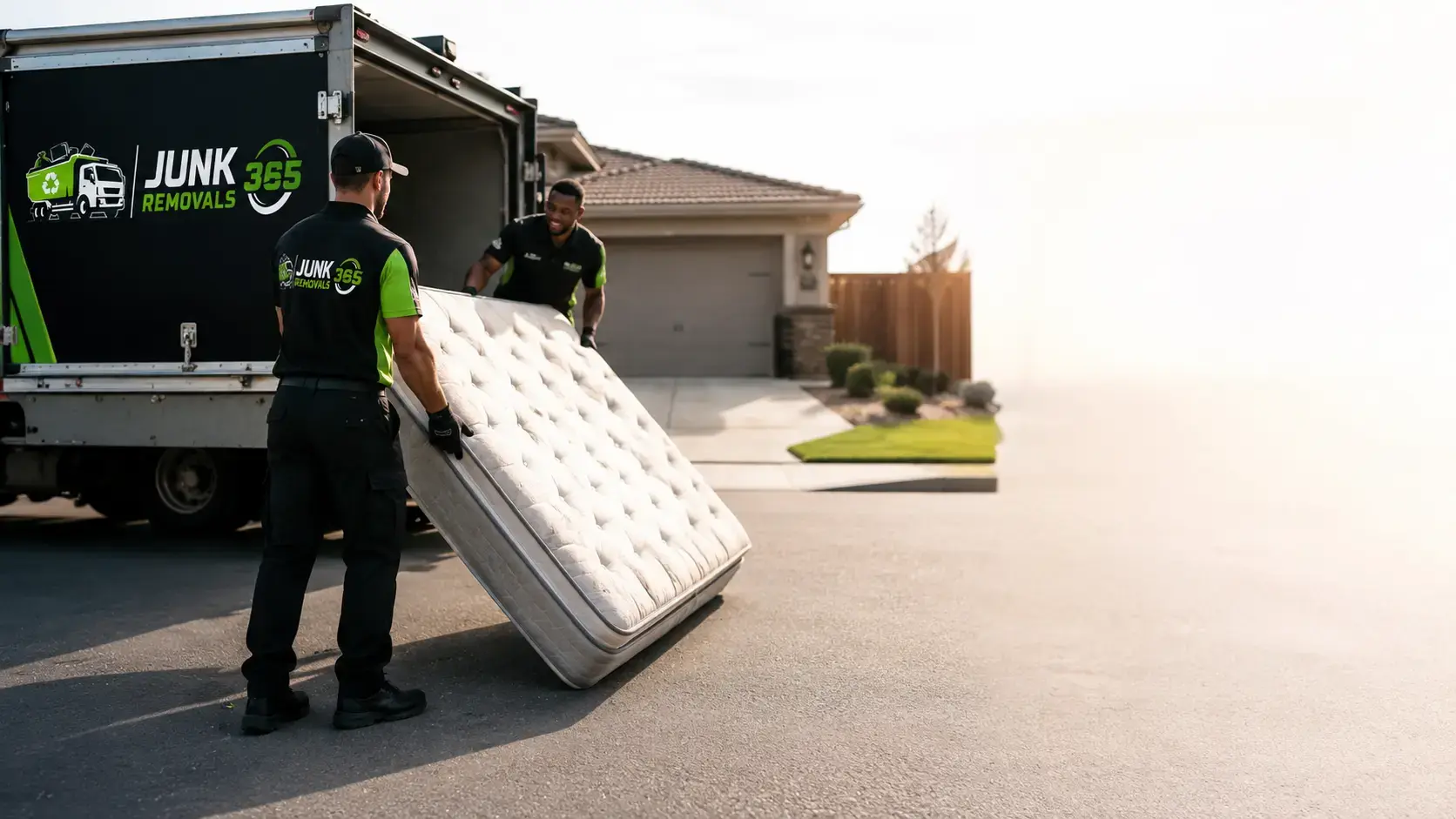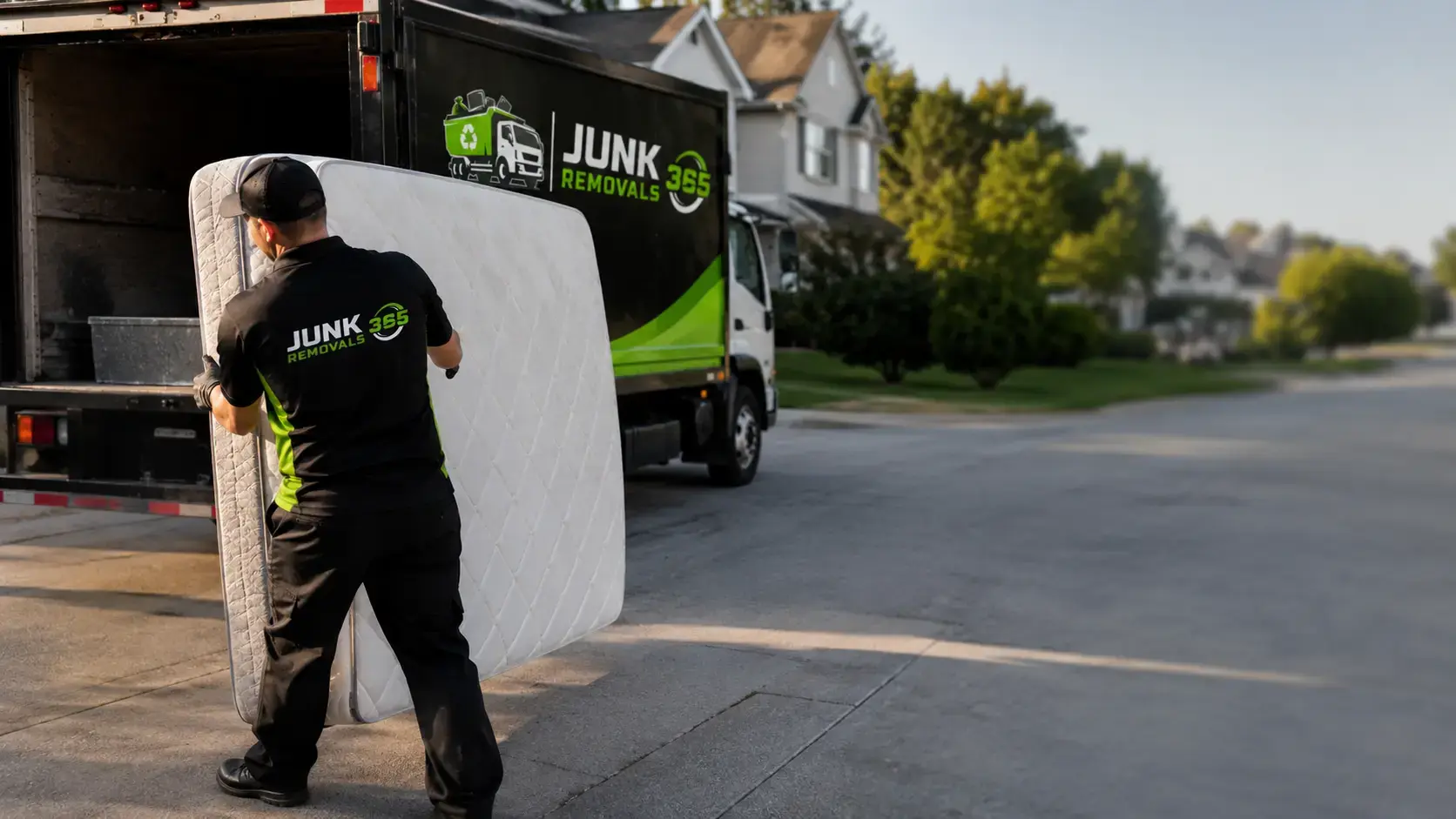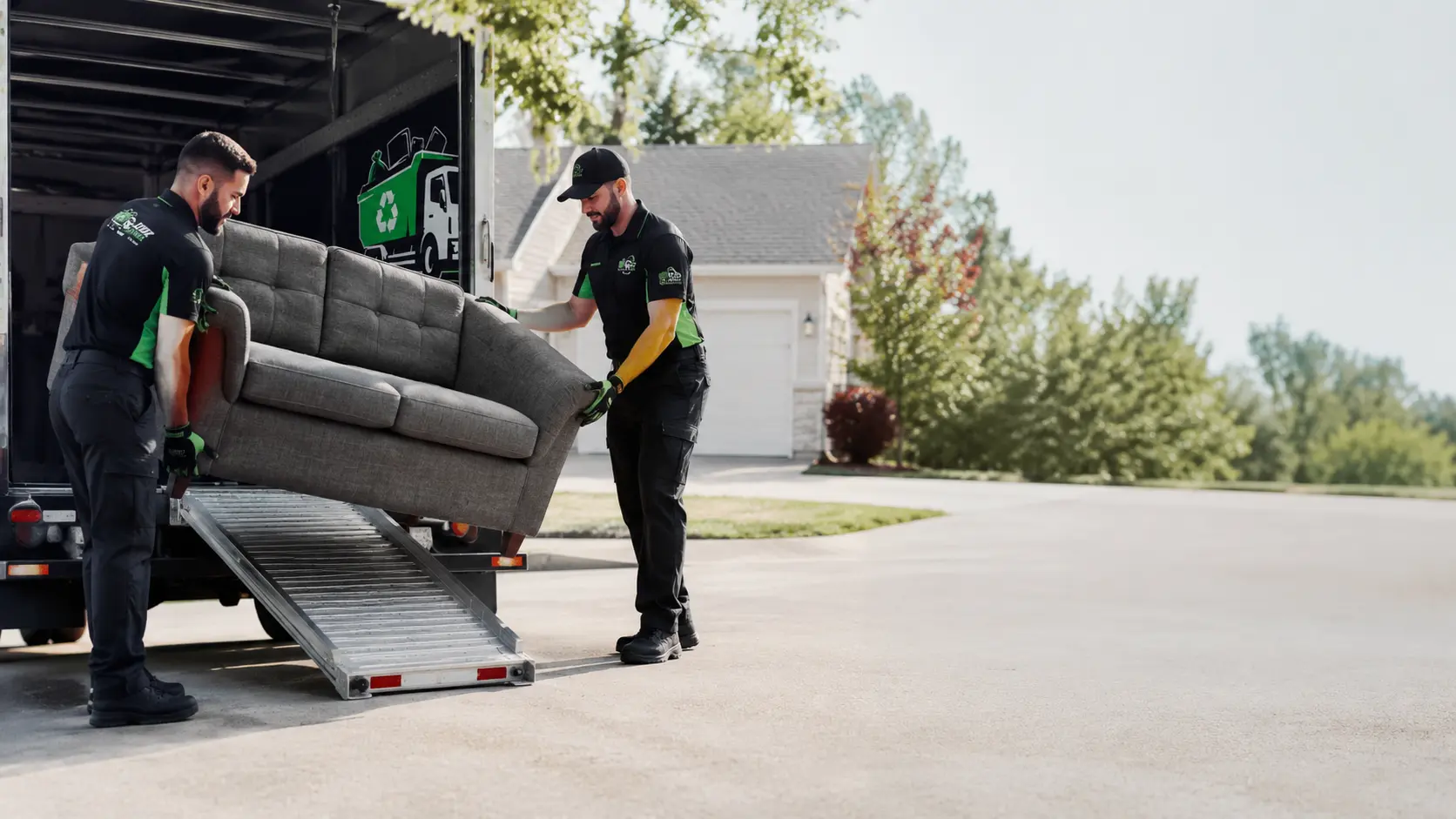
Couch recycling can be confusing when a sofa is bulky, damaged, or restricted by local trash rules. This guide explains practical couch removal and recycling options for households across National service areas.
Why Couch Recycling Is Different From Regular Trash
Getting rid of an old sofa sounds simple until you try to move it through a narrow hallway, down an apartment stairwell, or past a strict HOA pickup area. Couch recycling is different from regular trash because sofas are bulky, heavy, and made from mixed materials. A single couch may include wood framing, metal springs, foam cushions, fabric, leather, staples, plastic feet, and sometimes sleeper-bed hardware. That mix makes it harder to place in a normal garbage stream.
Across National service areas, many households run into the same problem: the couch is too large for a trash bin, too worn for donation, and too awkward to haul in a personal vehicle. Renters may be dealing with lease-end move-out deadlines. Homeowners may be clearing a garage before a renovation. Property managers may need fast removal of old couch items between tenants. In each case, the best option depends on the condition of the sofa, local bulk item rules, and how quickly the space needs to be cleared.
Professional couch removal services can help when you do not have the time, tools, or vehicle to handle the job safely. The goal is not just to move the couch out of the room. It is to route it toward the most reasonable disposal option available, whether that is donation, recycling, transfer station processing, or responsible disposal when reuse is not possible.
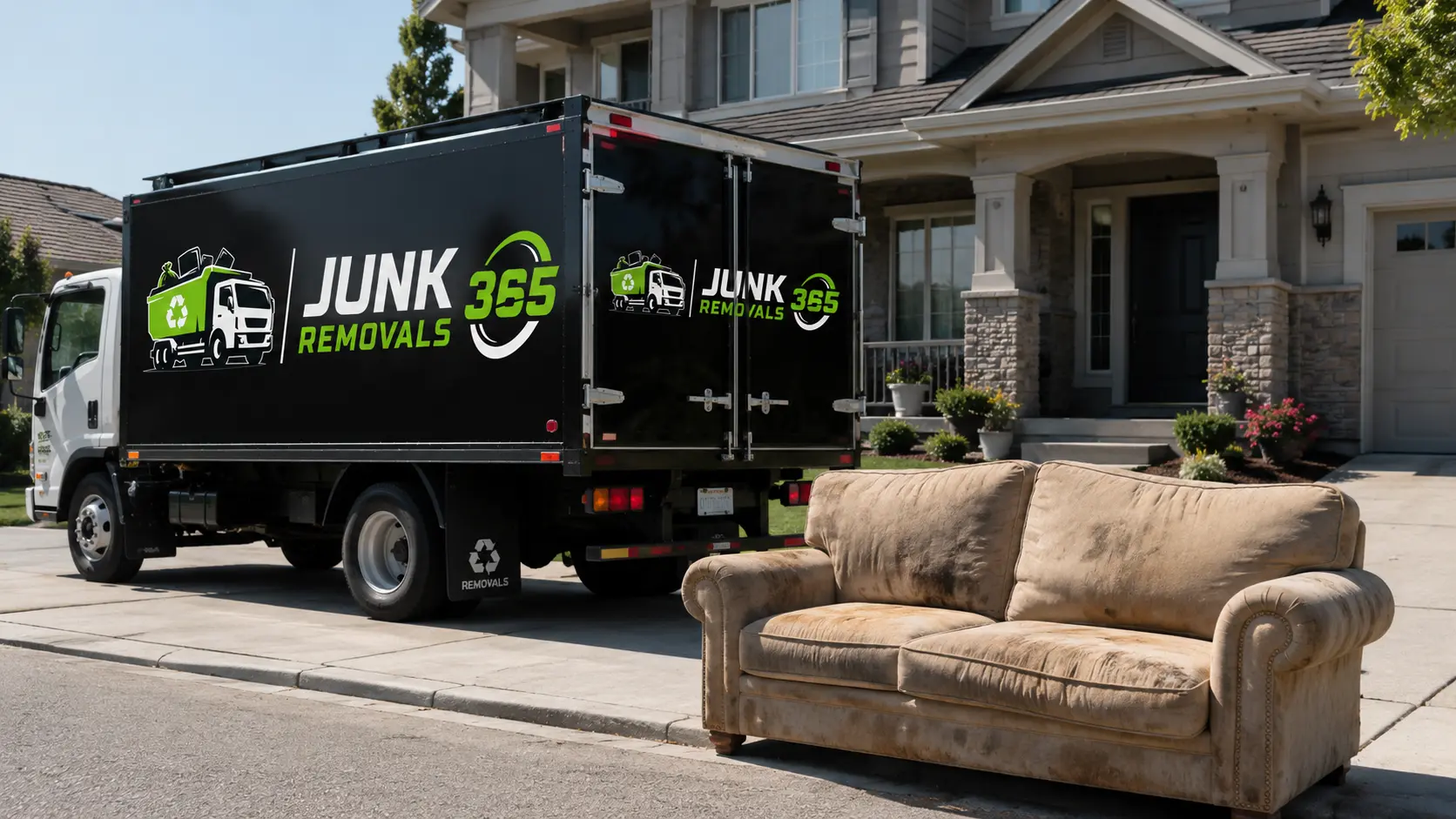
One reason couch recycling feels frustrating is that rules vary widely. Some municipalities collect bulk furniture only on specific dates. Some apartment communities require advance approval before anything is placed near a dumpster. Some HOAs fine residents for putting furniture outside too early. Even when a city offers pickup, the schedule may not match your moving date or renovation timeline.
Couch Recycling Options That Actually Work
The right couch recycling path starts with a quick condition check. If the frame is sturdy, the upholstery is clean, and there are no pest concerns, donation or reuse may be possible. If the sofa is sagging, torn, water-damaged, or stained, recycling or haul away is usually more realistic. Sleeper sofas also require extra planning because they are much heavier than standard couches and may need partial disassembly before removal.
Common options include:
- Furniture donation: Good for clean, usable couches that meet charity acceptance standards.
- Local bulk pickup: Useful when your city offers scheduled curbside collection and you can wait for the assigned date.
- Recycling centers: Possible in some areas if you can transport the couch and the facility accepts upholstered furniture.
- Retailer haul away: Sometimes available when a new sofa is delivered, but often limited to one-for-one removal.
- Professional sofa haul away: Helpful for apartments, upstairs rooms, tight parking, quick move-outs, and couches that are not donation-ready.
For many households, the challenge is not deciding whether the couch should go. It is figuring out who will move it, where it can legally go, and how to avoid leaving a bulky item in the wrong place. A couch sitting beside a dumpster can trigger apartment fees. A sofa placed at the curb on the wrong day can lead to a missed pickup or neighborhood complaint.
Donation vs. Recycling
Donation is ideal when the sofa still has real life left in it. Many donation centers want furniture that can be used immediately by another family. That usually means no major stains, odors, broken frames, missing cushions, severe pet damage, or signs of insects. If you are searching for terms like furniture donation San Diego or similar donation options in another city, always check the charity guidelines before arranging transportation.
Recycling is a better fit when the couch is not usable as furniture but still contains recoverable materials. Metal springs and certain wood components may be recyclable depending on the processing facility. Foam and fabric are more difficult and may not be accepted everywhere. This is why couch recycling often works best when handled by a removal provider familiar with sorting, donation attempts, and local disposal channels.

How to Prepare Your Sofa for Pickup
A little preparation can make couch removal faster, safer, and less stressful. Start by measuring the couch and the exit path. Older homes, townhomes, and garden apartments often have tight turns that make removal difficult. If the sofa was assembled inside the room or expanded after years of use, it may not come out as easily as it came in.
Before pickup, take these steps:
- Remove blankets, pillows, slipcovers, and personal items from between cushions.
- Check under and behind the couch for remotes, toys, coins, paperwork, or pet items.
- Clear a path from the couch to the door, elevator, garage, or driveway.
- Reserve elevator time if your building requires it for furniture moves.
- Ask your property manager whether a certificate, loading dock time, or designated parking area is needed.
- Take photos if you need move-out documentation for a landlord or HOA.
If you are wondering how to throw away a couch without damaging walls or flooring, do not underestimate the value of preparation. Sectionals may need to be separated. Reclining sofas may have metal mechanisms that add weight. Sleeper sofas can require two or more trained movers because the internal bed frame shifts while being carried.
When you schedule sofa haul away, share details such as stairs, elevator access, parking limits, gated entry, and whether the couch is a sectional, recliner, loveseat, or sleeper sofa. Those details help the crew arrive ready for the actual removal conditions, not just the item type.
Costs, Timing, and Local Rules to Consider
Couch recycling and removal costs can vary based on size, weight, access, distance to disposal facilities, and the number of items being removed. A single loveseat from a garage is usually simpler than a sleeper sofa on the third floor of a walk-up apartment. If you have multiple bulky items, combining them into one pickup may be more efficient than scheduling separate trips.
Timing also matters. End-of-month moving periods are especially busy in many rental markets. College move-outs, military relocations, home staging projects, and summer renovation season can all increase demand for quick furniture removal. In colder or storm-prone regions, weather cleanup adds another layer of urgency when a couch has been left on a patio, in a flooded basement, or inside a damp garage.
Local rules can affect the final plan. Some communities require mattresses and upholstered furniture to be wrapped before pickup. Others restrict where bulk items can be placed or limit how many items can be collected per household. Apartment buildings may require residents to use a freight elevator or avoid peak lobby hours. HOAs may require removal from a garage or driveway rather than curbside staging.
A reliable removal plan accounts for:
- Building access, elevator rules, and parking availability
- Whether the couch can be donated, recycled, or must be disposed of
- Bulk item pickup schedules and municipal restrictions
- Weather exposure, pests, odors, or water damage
- Move-out deadlines and landlord turnover timing
If the couch is part of a bigger cleanout, consider pairing removal with broader junk removal support so leftover boxes, broken shelves, rugs, and miscellaneous household clutter can be cleared at the same time.
Book Fast Couch Removal
Comparison of Couch Disposal Methods
There is no single best answer for every sofa. The best method depends on condition, deadline, vehicle access, and local restrictions. Use this comparison as a practical starting point when deciding between donation, recycling, curbside collection, or professional removal.
| Method | Best For | Main Limitation |
|---|---|---|
| Donation | Clean, usable couches with no major damage | Many charities reject stained, torn, or oversized sofas |
| Municipal bulk pickup | Residents who can wait for a scheduled pickup day | Rules vary and missed pickups can leave furniture at the curb |
| Self-hauling to a facility | People with a truck, help, and an accepting facility nearby | Requires lifting, loading, transportation, and disposal knowledge |
| Retailer haul away | New sofa deliveries where removal is included or offered | Often limited to one old item and may not include difficult access |
| Professional couch removal | Fast removal, apartments, heavy sofas, move-outs, and damaged couches | Requires scheduling and pricing based on item and access details |
For many households, professional removal is the most practical option because it solves the hardest parts at once: lifting, scheduling, transportation, and disposal routing. It is especially useful when the couch is too large for a car, when a landlord wants the unit empty by a certain date, or when a curbside program will not accept upholstered furniture in its current condition.
FAQ: Couch Recycling and Sofa Haul Away
Questions about couch recycling usually come up when people are already under pressure: the new couch is arriving tomorrow, the lease ends this weekend, or the garage has to be cleared before contractors arrive. These answers cover the most common situations.
Can I Leave a Couch at the Curb?
Sometimes, but not always. Curb placement depends on your local bulk item rules, your property type, and the pickup schedule. In some areas, residents must book a bulky item appointment. In others, furniture can be placed out only during a specific window. Apartment and condo residents may have additional rules from property managers or HOAs. Leaving a couch out too early can create blocked sidewalks, rain damage, pest issues, or fines.
If you live in a building with shared dumpsters, do not assume the couch can be placed beside the trash area. Many waste haulers will not collect oversized furniture unless it is scheduled separately. When in doubt, ask the building office before moving the sofa outside.
What If My Couch Is Too Damaged to Donate?
If a couch is broken, heavily stained, wet, moldy, or has pest concerns, donation is usually not appropriate. That does not mean you are out of options. A removal crew can still handle the lifting and transportation, then determine whether any materials can be separated or whether the item needs responsible disposal. This is often the best route for basement couches, garage sofas, college move-out furniture, and pieces left behind after tenant turnover.
Damaged couches should be handled carefully. Exposed staples, broken wood, rusty springs, and sleeper mechanisms can cause injuries during DIY removal. If the sofa has been exposed to rain or flooding, it may also be much heavier than expected.
Final Tips for Easier Couch Recycling
Couch recycling is easiest when you match the method to the real condition of the sofa and the rules of your property. A clean, usable couch may be a donation candidate. A worn-out sleeper sofa in an upstairs apartment may call for professional couch removal. A sofa left behind during a rental turnover may need fast haul away so cleaning, painting, and showings can stay on schedule.
Before choosing a disposal path, ask three questions: Is the couch still usable? Can it be moved safely without damaging the property? Do local rules allow the method you are considering? Those answers will usually point you toward donation, recycling, curbside pickup, or professional sofa haul away.
For homeowners, renters, landlords, and property managers across National service areas, the main goal is the same: clear the space without creating extra work, fines, or safety issues. With a little planning and the right removal option, an old couch does not have to sit in a garage, hallway, driveway, or rental unit for weeks.
When you are ready to schedule removal of old couch items, choose a service that understands bulky furniture, tight access, and responsible disposal. Junk Removals 365 helps make couch recycling and sofa haul away simpler from the first lift to the final destination.

Written by
junk removals 365 team
The Junk Removals365 Team shares expert tips and insights on junk removal, cleanouts, recycling, and clutter-free living, helping homeowners and businesses keep their spaces clean and organized.
Related Resources
Our Related Services
Furniture Removal
From single pieces to full-room clearouts — we remove any furniture, any size, from any room.
Junk Removal
Full service junk removal for homes and businesses — same-day pickup, upfront pricing, and eco-friendly disposal you can count on.
Mattress Removal
Responsible mattress disposal that keeps 90% of materials out of the landfill — any size, any floor.