
If you are searching for couch removal options, knowing where to take an old sofa can save time, fees, and hassle. This guide explains practical couch disposal choices for households, renters, landlords, and property managers across the United States.
Why Couch Disposal Feels Complicated
Searching for where to get rid of couches near me usually starts with one simple problem: the couch is too big to ignore and too awkward to move easily. Whether it is a sagging sectional in a suburban living room, a sleeper sofa left behind after a tenant moves out, or a stained loveseat sitting in an apartment hallway, couch disposal is rarely as simple as dragging it to the curb.
Across the United States, disposal rules vary by city, county, apartment community, and HOA. Some neighborhoods allow bulk pickup only on specific days. Some apartment buildings prohibit furniture in the dumpster area. Many donation centers will not accept torn upholstery, pet damage, broken frames, or couches without fire safety tags. That leaves homeowners, renters, landlords, and property managers trying to figure out a responsible plan before the couch becomes a code violation or moving-day obstacle.
Professional couch removal services are often the simplest option when stairs, elevators, tight parking, local restrictions, or heavy furniture make disposal difficult. Still, it helps to understand every route available so you can choose the best solution for your timeline, budget, and building rules.
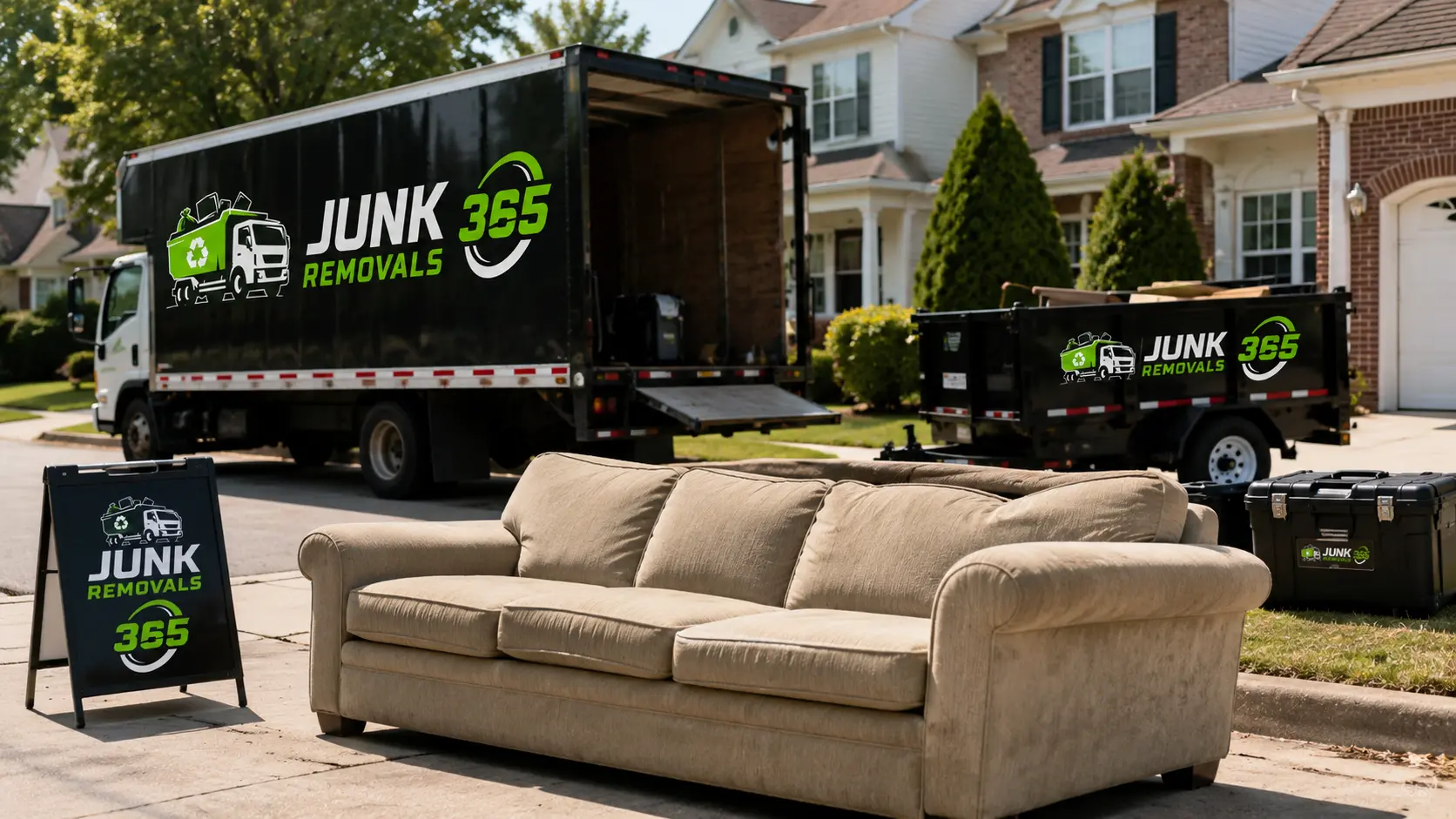
Start by Identifying Your Couch Disposal Situation
The right disposal method depends on more than whether the couch is old. A clean couch in good condition may be accepted by a charity, sold online, or given to a neighbor. A broken recliner sofa, water-damaged sectional, or couch with pest concerns usually needs direct hauling and proper disposal. The sooner you identify which category your couch falls into, the easier it is to avoid wasted calls and rejected pickups.
Think about your specific setting. In a single-family home, you may have a driveway or garage where the couch can wait for pickup. In an apartment, you may need to reserve an elevator or coordinate with the leasing office. In an HOA community, leaving a bulky item outside overnight may trigger a fine. During a move, the schedule matters even more because a couch left behind can delay a final walkthrough or security deposit return.
Questions to Answer Before You Move the Couch
- Is the couch reusable? Check for stains, odor, sagging cushions, broken legs, torn fabric, or missing parts.
- Can it fit through doors and stairwells? Measure the couch and the exit path before lifting anything.
- Are there building rules? Ask about elevator reservations, loading zones, dumpster restrictions, and move-out procedures.
- Is curb placement allowed? Some cities require advance scheduling or special tags for bulk furniture.
- How quickly does it need to go? Donation and resale may take days or weeks, while hauling can often be scheduled faster.
Answering these questions upfront helps you decide whether donation, municipal pickup, landfill drop-off, resale, or a couch disposal service is the most realistic choice.
Common Places Where People Try to Get Rid of Couches
When people look up where to dispose of couches near me, they usually find a mix of public and private options. Each one has advantages, but each also comes with limitations that matter when you are dealing with heavy furniture.
- Donation centers: A good fit for clean, usable couches, but many organizations refuse damaged, stained, or oversized pieces.
- Online marketplaces: Useful for free or low-cost furniture, though pickup reliability can be unpredictable.
- Municipal bulk pickup: Often affordable, but scheduling windows may be limited and curb rules can be strict.
- Landfills or transfer stations: Practical if you have a truck, lifting help, and time to handle disposal yourself.
- Professional couch removal: Helpful when the couch is heavy, upstairs, inside a rental, or needs to be removed quickly.
Local waste departments may also have rules for upholstered furniture, especially after storms, flooding, pest treatment, or large-scale apartment turnover. If you are not sure whether your couch can go to the curb, check the city or county sanitation guidance before moving it outside.
Donation, Resale, Bulk Pickup, or Couch Removal
Choosing between disposal options becomes easier when you compare them side by side. A couch that looks fine in a living room may still be rejected if it has pet hair, odor, broken springs, or missing cushions. On the other hand, paying for hauling may not be necessary if your city offers reliable scheduled bulk pickup and you can safely move the couch to the approved location.
| Option | Best For | Common Challenge |
|---|---|---|
| Donation | Clean couches in good condition | Strict acceptance rules and limited pickup availability |
| Resale or free listing | Usable couches with flexible timelines | No-shows and delayed pickup |
| Municipal bulk pickup | Residents with approved curb access | Scheduling rules, item limits, and curb restrictions |
| Transfer station or landfill | People with a truck and lifting help | Vehicle access, disposal fees, and heavy lifting |
| Professional couch removal | Fast removal from homes, apartments, and rentals | Requires booking and access details |
If you want the couch removed without coordinating a truck, asking friends to lift, or guessing local disposal rules, scheduling a couch disposal service can be the most practical path.
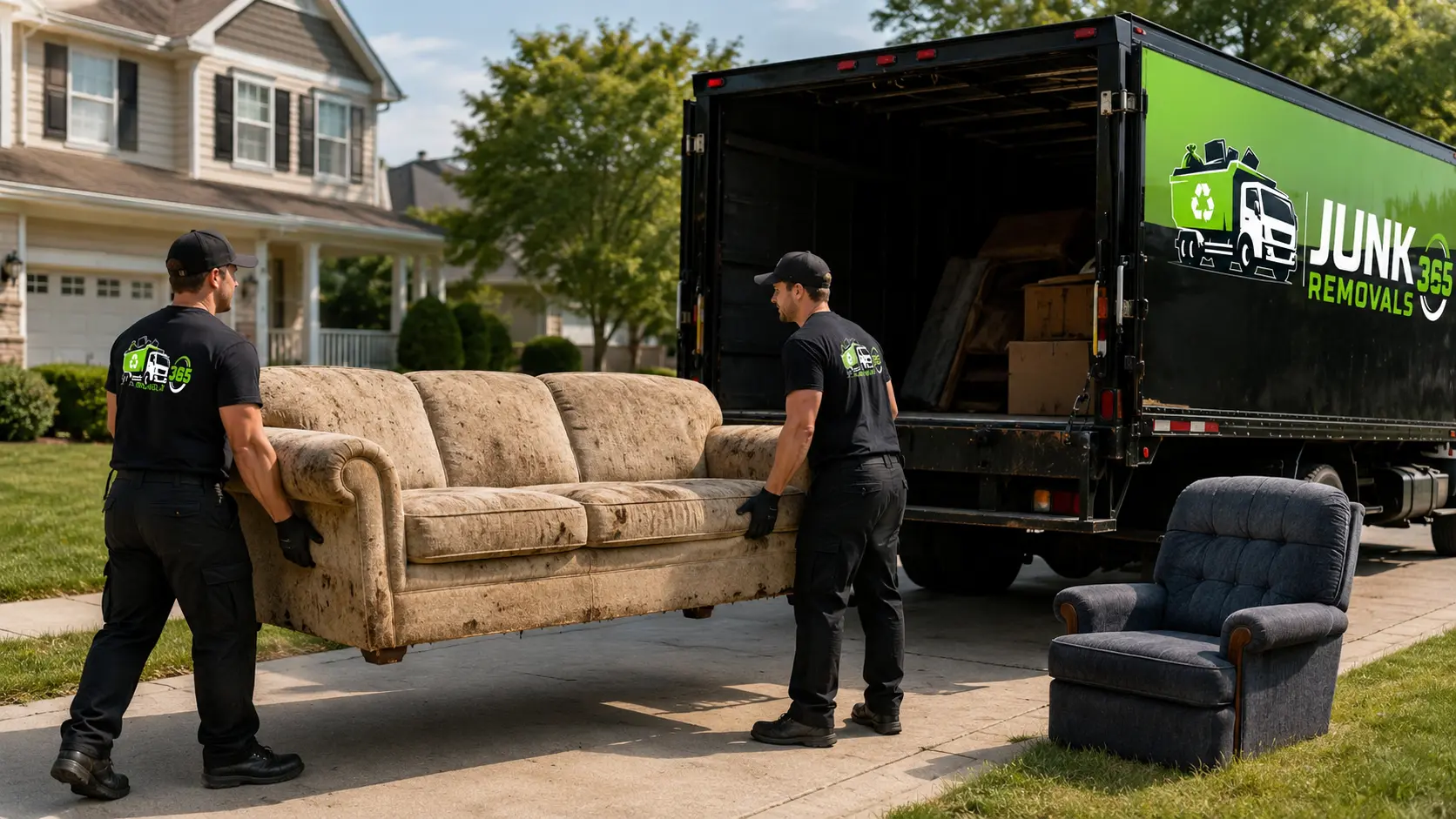
Apartment, HOA, and Rental Property Considerations
Couch disposal gets more complicated in shared communities. Apartment buildings often have limited dumpster space, and many leases specifically prohibit leaving sofas beside compactors or in trash rooms. High-rise buildings may require elevator pads, loading dock reservations, or proof of scheduled pickup. If you place a couch in the wrong area, management may charge removal fees directly to your account.
HOA neighborhoods can be just as strict. A sectional left on the curb too early may violate community rules, even if city bulk pickup is scheduled for the next morning. Some HOAs limit pickup hours, require items to be screened from view, or ban bulky items from common areas entirely. In storm-prone or humid regions, upholstered furniture left outside can quickly absorb water, making it heavier and harder to dispose of responsibly.
Landlords and property managers face a different challenge: speed. During tenant turnover, an abandoned couch can block cleaning crews, carpet replacement, painting, or staging. For rental homes and multifamily units, a reliable couch removal plan helps keep vacancy time down and prevents bulky items from attracting additional illegal dumping.
- Confirm move-out rules before placing furniture outside.
- Ask whether a certificate of insurance or vendor approval is required for larger properties.
- Reserve elevators or loading areas if the couch is above the ground floor.
- Take photos of abandoned furniture for tenant records before removal.
- Schedule removal before cleaners or repair crews arrive.
How Professional Couch Removal Works
Professional couch removal is designed for situations where the couch needs to leave the property without you handling the heavy lifting. A crew can remove a sofa from a living room, basement, garage, curb, apartment, storage unit, rental property, or office lounge. This is especially useful for sleeper sofas, reclining sectionals, oversized couches, and furniture wedged into tight spaces.
The process usually starts with basic details: the type of couch, where it is located, whether stairs or elevators are involved, and how soon it needs to be removed. Clear information helps the crew arrive prepared and reduces surprises on pickup day. If you are comparing options for old furniture disposal near me, make sure the service understands whether the couch is inside, outside, upstairs, or part of a larger cleanout.
For households also dealing with tables, dressers, mattresses, or moving debris, pairing couch removal with broader junk removal can be more efficient than booking separate trips.
What to Do Before Pickup Day
- Clear the path. Move shoes, boxes, rugs, plants, and fragile items away from the exit route.
- Measure tight turns. Note narrow stairwells, low ceilings, sharp corners, or small elevators.
- Remove loose cushions. This makes the couch easier to carry and prevents items from falling.
- Secure pets. Keep dogs and cats in a separate room during removal.
- Tell the crew about damage. Broken frames, recliner mechanisms, or pest concerns should be disclosed before pickup.
These small steps can make the appointment faster and safer, especially in busy apartment buildings or homes with limited driveway space.
Eco-Conscious Ways to Dispose of an Old Couch
Not every couch belongs in a landfill right away. If the frame is solid and the upholstery is clean, reuse is usually the best outcome. Donation, resale, or giving the couch to someone locally can extend its life and reduce waste. However, reuse only works when the couch is sanitary, structurally safe, and acceptable to the person or organization receiving it.
Some couches can be partially recycled or broken down for components. Metal springs, wood framing, and certain textiles may be recoverable depending on local facilities. The challenge is that upholstered furniture is bulky, mixed-material, and labor-intensive to process. Many recycling centers do not accept full couches from the public without special handling.
Responsible disposal means choosing the best available option for the couch you actually have. A clean loveseat may be donated. A storm-damaged sofa may need hauling. A broken sleeper sofa may require special handling because of its metal bed frame. A good couch removal provider can help route items toward donation, recycling, or disposal when those options are available.
- Donate only couches that are clean, odor-free, and structurally sound.
- Avoid leaving furniture outside where rain can ruin reusable materials.
- Ask local facilities whether upholstered furniture is accepted before driving there.
- Separate removable metal or wood parts only if it is safe to do so.
- Use professional hauling for heavy or damaged couches that cannot be reused.
Frequently Asked Questions About Couch Disposal
Can I leave my couch on the curb? Sometimes, but not always. Many cities require scheduled bulk pickup, specific placement times, or item limits. Apartment complexes and HOAs may have separate rules even when the city allows curb pickup.
Where can I dispose of couch near me if it is damaged? Damaged couches are often rejected by donation centers. Your options may include municipal bulk pickup, a transfer station, landfill drop-off, or a professional couch disposal service.
Will donation centers take a sleeper sofa? Some will, but many are cautious because sleeper sofas are heavy and can have mechanical problems. Call ahead and describe the condition clearly.
Is same-day couch removal possible? In many areas, same-day or next-day pickup may be available depending on crew schedules, access, and the size of the couch. It is easier to book quickly when you provide accurate details and photos if requested.
Do I need to move the couch outside first? Not necessarily. Professional crews can often remove couches from inside the home, apartment, garage, or storage unit, provided there is safe access.
What if I have more than one couch? Multiple couches, sectionals, loveseats, and recliners can usually be handled in the same appointment. This is common during estate cleanouts, landlord turnover, roommate moves, and home renovations.
A Simple Plan for Getting Rid of Your Couch
The easiest way to solve couch disposal is to match the method to the situation. If the couch is clean and usable, try donation or resale first. If your city offers convenient bulk pickup and you can safely move the couch to the approved spot, that may work. If the couch is heavy, damaged, upstairs, abandoned by a tenant, or blocking a move, professional couch removal is often the most dependable option.
Before you decide, check building rules, local pickup restrictions, and the condition of the furniture. Avoid leaving couches in alleys, dumpster areas, sidewalks, or curbside locations without permission. A little planning prevents fines, complaints, and extra handling.
When you need the old sofa gone without the lifting and uncertainty, Junk Removals 365 can help with straightforward couch removal for homes, apartments, rentals, and cleanouts.

Written by
junk removals 365 team
The Junk Removals365 Team shares expert tips and insights on junk removal, cleanouts, recycling, and clutter-free living, helping homeowners and businesses keep their spaces clean and organized.
Our Related Services
Furniture Removal
From single pieces to full-room clearouts — we remove any furniture, any size, from any room.
Junk Removal
Full service junk removal for homes and businesses — same-day pickup, upfront pricing, and eco-friendly disposal you can count on.
Mattress Removal
Responsible mattress disposal that keeps 90% of materials out of the landfill — any size, any floor.