Couch junk removal can be straightforward when you know how to prepare the sofa, choose a pickup option, and avoid common disposal problems. This guide explains practical couch removal steps for households, renters, landlords, and property managers across the United States.
Why Couch Junk Removal Takes More Planning Than People Expect
An old couch can look harmless sitting in the living room, but moving it out is often the hardest part of a decluttering project. Couch junk removal usually involves more than lifting a sofa and setting it at the curb. The item may be heavy, awkwardly shaped, stained, broken, or too large for stairwells, apartment elevators, narrow hallways, and door frames.
Across the United States, homeowners, renters, landlords, and property managers deal with couch disposal during moves, lease turnovers, renovation projects, estate cleanouts, garage cleanouts, and post-storm cleanup. Local rules can also vary widely. Some cities allow scheduled bulk pickup, some require advance tags or appointments, and many apartment communities or HOAs do not allow upholstered furniture to sit outside overnight.
If you want a straightforward option, Junk Removals 365 provides couch removal services designed for homes, apartments, offices, rentals, and multi-unit properties. Still, it helps to understand the basic steps so you can avoid delays, damage, and disposal surprises.
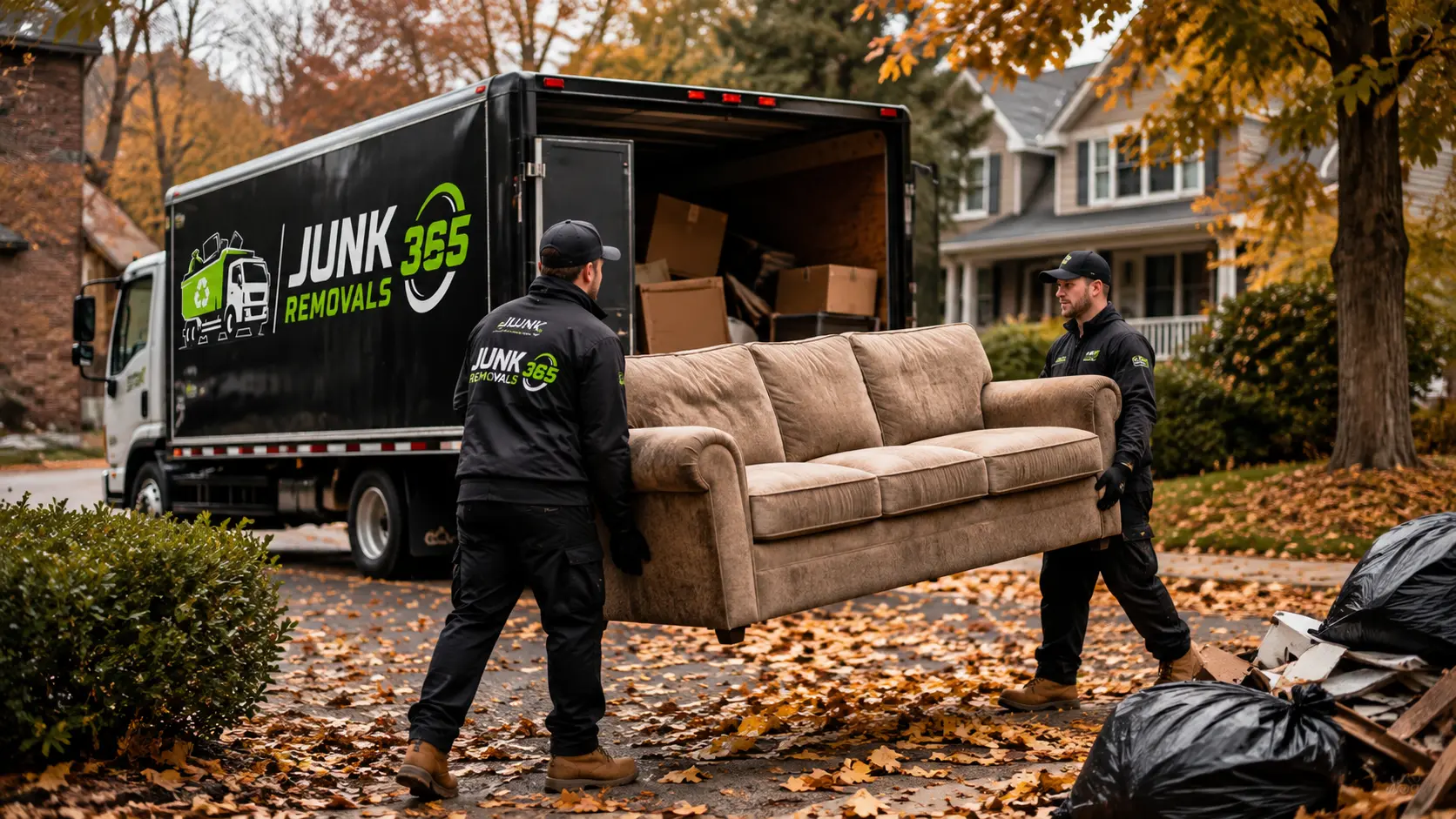
The simple process below will help you figure out what condition the couch is in, where it can go, how to prepare it, and when a professional hauling crew is the more practical choice.
Step One: Check the Couch and the Space Before Pickup
Before you decide how to get rid of a couch, take a few minutes to inspect both the furniture and the removal route. This step matters because most problems happen before the sofa ever reaches the truck. A sleeper sofa may hide a metal frame that makes it much heavier than expected. A sectional may have clips or brackets that need to be separated. A reclining couch may have movable parts that swing open during hauling.
Start by looking at the couch condition. Is it clean enough for donation, or is it torn, sagging, water-damaged, or infested? Donation centers often reject upholstered furniture with stains, odors, pet damage, broken frames, or missing cushions. If the couch is not reusable, the realistic choices are usually bulk disposal, transfer station drop-off, or professional hauling.
Then check the space around the couch. Measure the widest part of the sofa, then compare it with doors, stairs, hallways, elevator openings, and tight turns. This is especially important in older homes, townhomes, high-rise apartments, and basement family rooms where the couch may have been brought in before renovations changed the layout.
- Remove blankets, pillows, slipcovers, and loose cushions.
- Measure doors, stairwells, and elevator openings before moving day.
- Check whether sectional pieces separate safely.
- Look for recliner cords, brackets, sleeper frames, or hidden hardware.
- Clear rugs, shoes, boxes, and fragile decor from the removal path.
- Protect walls, railings, and door trim if the route is tight.
Apartment and HOA Considerations
Apartment buildings, condos, and HOA communities often have rules that affect couch junk removal. A leasing office may require elevator reservations, proof of insurance from outside vendors, loading dock access, or specific pickup windows. Some properties fine residents for leaving a sofa near a dumpster because upholstered furniture can block collection access or attract complaints.
HOAs may also restrict curb placement, especially in suburban neighborhoods where bulk trash is only allowed on certain days. If you are moving out of a rental, ask the landlord or property manager what is allowed before setting anything outside. A missed rule can turn a simple sofa junk removal task into a disposal fee or security deposit deduction.
Step Two: Decide Where the Couch Should Go
Once you know the couch condition and removal route, decide where the item should go. The right answer depends on whether the sofa is reusable, how quickly it needs to leave, and what disposal rules apply in your area. People often search for where to take old couch items because the answer is not always obvious. A couch is bulky, upholstered, and difficult to transport without a pickup truck or trailer.
If the couch is in excellent condition, donation may be possible. However, you will likely need to confirm acceptance rules and pickup availability. Some charities only pick up at ground level, while others do not accept sleeper sofas or furniture with pet hair. Resale or giveaway marketplaces can work too, but they require communication, scheduling, and trust that the buyer will actually show up.
Municipal bulk pickup can be affordable, but it is not always flexible. Some communities require appointments weeks in advance, and many limit the number of large items. Weather is another factor. A couch left outside before a rainstorm can quickly become waterlogged, heavier, and less acceptable for reuse or special collection.
Professional hauling is usually the most convenient choice when you need a couch removed quickly, cannot lift it safely, do not have a vehicle, or are dealing with property turnover. For customers comparing services, a dedicated haul away couch option can be simpler than arranging curb pickup, borrowing a truck, and finding an approved disposal site.
Couch Removal Options Compared
There is no single best disposal method for every sofa. The table below compares common options so you can match the method to your situation, schedule, and couch condition.
| Option | Best For | Possible Drawbacks |
|---|---|---|
| Donation pickup | Clean, usable couches with no stains, odors, or damage | Strict acceptance rules and limited scheduling |
| Online giveaway or resale | Reusable couches when you have time to coordinate | No-shows, safety concerns, and uncertain timing |
| Municipal bulk pickup | Areas with scheduled large-item collection | Rules vary, curb placement may be limited, and pickups can be delayed |
| Self-hauling to a facility | People with a truck, help lifting, and access to an approved site | Heavy lifting, disposal fees, fuel, and possible facility restrictions |
| Professional couch removal | Fast pickups, stairs, apartments, rentals, and bulky or damaged sofas | Costs more than doing all labor yourself |
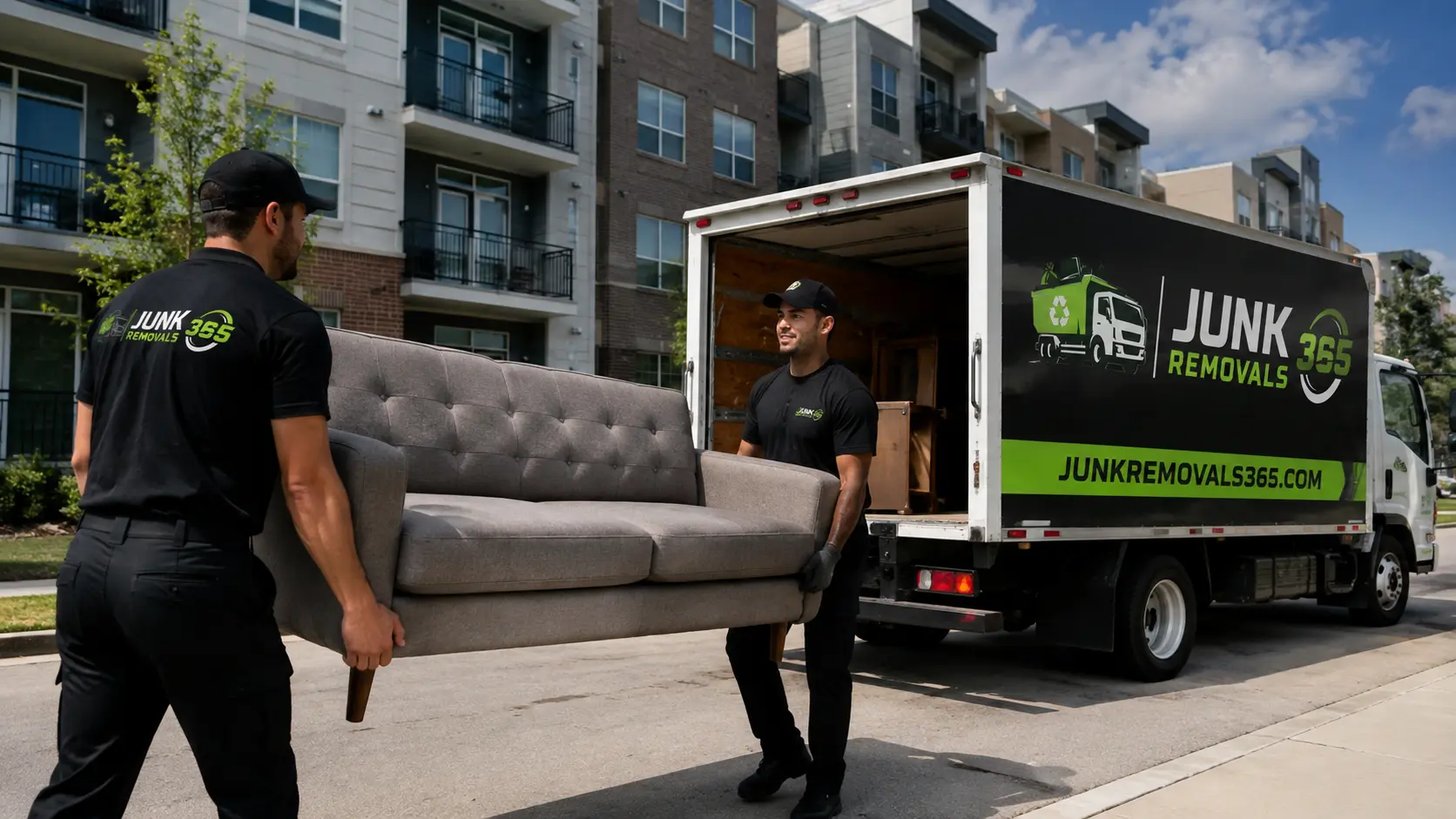
For many households, the decision comes down to time and effort. If you have a clean couch, a flexible schedule, and a local donation group that accepts it, reuse is worth exploring. If the couch is damaged, too heavy, or blocking a move-out deadline, professional couch junk removal is often the more realistic solution.
Step Three: Prepare the Sofa for Hauling
Good preparation makes couch removal faster and reduces the chance of scuffed walls, strained backs, or last-minute confusion. You do not need to dismantle every sofa, but a few simple steps can make the pickup smoother.
- Remove personal items. Check under cushions, behind the frame, and inside sleeper sofa compartments for remotes, keys, coins, toys, documents, and chargers.
- Separate loose cushions. Loose cushions can slide during hauling. Stack them in one spot so they do not block the path.
- Disconnect power features. If the couch reclines electrically, unplug it and secure cords before removal.
- Break down sectionals. If your sectional separates easily, unlatch the pieces so each part can be carried safely.
- Clear the route. Move small tables, lamps, plants, rugs, and boxes away from the path.
- Notify building staff. In apartments or condos, confirm elevator, parking, and loading area rules before the appointment.
Do not leave a couch outside too early unless local rules allow it. Rain, snow, humidity, and pests can create problems quickly. In warm or wet climates, upholstered furniture can absorb moisture and become much heavier. In colder regions, snow or ice can make sidewalks and stairs unsafe for hauling.
When Professional Couch Removal Makes Sense
Professional couch removal is most useful when the couch is large, heavy, damaged, upstairs, or part of a larger cleanout. A hauling team can remove the sofa from inside the home, carry it through tight spaces, load it, and take it for appropriate disposal or recycling when available. This is especially helpful if you are preparing a home for sale, clearing a rental after a tenant leaves, or replacing several pieces of furniture during a renovation.
Landlords and property managers often need sofa junk removal after move-outs because tenants may leave behind couches in living rooms, garages, storage closets, or next to dumpsters. Homeowners may need help after buying new furniture, converting a guest room, cleaning out an estate, or dealing with a couch damaged by pets, leaks, smoke, or long-term storage.
A professional crew is also a safer choice when a couch must move down stairs or through narrow hallways. Even a small sofa can become difficult to control on a turn. Sleeper sofas and reclining couches are particularly challenging because of internal metal parts. If you are already managing packing, cleaning, repairs, or a moving schedule, outsourcing the heavy lifting can save time and reduce risk.
Junk Removals 365 can also help when couch removal is part of a broader cleanout. If your old sofa is surrounded by boxes, broken furniture, mattresses, or general clutter, a coordinated pickup can simplify the entire project rather than solving one item at a time.
Common Mistakes to Avoid With Couch Junk Removal
The biggest couch disposal mistakes usually happen when people assume the item can simply be dragged outside and forgotten. In many communities, that can lead to fines, rejected pickups, angry neighbors, or extra work. Before you move the couch, make sure your plan matches local rules and your actual ability to transport the item.
- Putting the couch at the curb too early. Bulk items may only be allowed outside during a specific pickup window.
- Assuming a donation center will accept it. Many organizations reject stained, torn, smoky, or pet-damaged upholstered furniture.
- Forgetting about elevators and loading docks. Multi-unit buildings may require reservations or access approval.
- Trying to move a sleeper sofa without help. Hidden metal frames can make these couches much heavier than they look.
- Using regular dumpsters. Apartment and commercial dumpsters often prohibit couches and other oversized furniture.
- Leaving furniture in alleys or vacant lots. Illegal dumping can create fines and neighborhood problems.
If you are comparing local options for sofa junk removal, ask whether the service removes items from inside the home, handles stairs, and can take sectionals or sleeper sofas. Clear expectations help avoid surprises on pickup day.
FAQ: Couch Junk Removal Questions
Can I leave my old couch on the curb? Sometimes, but not always. Many cities require scheduled bulk pickup, item limits, stickers, or specific set-out times. Apartment communities and HOAs may prohibit curb placement entirely.
Where can I take an old couch if it is not reusable? Depending on your area, the couch may need to go to a transfer station, landfill, bulky waste facility, or approved disposal site. Rules vary, and some facilities charge by item, weight, or vehicle type.
Will donation centers take any couch? No. Most donation groups only accept couches that are clean, structurally sound, and free from odors, stains, pests, and major wear. Always confirm before arranging transportation.
Do I need to move the couch outside before pickup? With many professional hauling services, you do not need to move it outside. The team can remove it from the living room, basement, garage, apartment, or office as long as access is clear.
How long does couch removal usually take? A single couch can often be removed quickly once the crew arrives, but timing depends on stairs, parking, elevator access, sectional pieces, and whether other junk is being taken at the same time.
Can a sectional couch be removed? Yes. Sectionals are commonly removed, but it helps to know whether the pieces detach and how many sections need to be hauled away.
A Simple Couch Removal Plan That Actually Works
Couch junk removal is easiest when you follow a clear plan: inspect the couch, measure the removal route, check property rules, choose the right disposal method, and prepare the sofa before pickup. Those steps help you avoid rejected donations, missed bulk collection, building fines, and unsafe lifting.
If the couch is clean and reusable, donation or resale may be worth trying. If it is damaged, too heavy, upstairs, part of a rental turnover, or blocking a moving deadline, professional removal is usually the more dependable option. Junk Removals 365 helps customers handle couch removal without needing to borrow a truck, recruit friends, or guess where the sofa should go.
When you are ready to clear the space, schedule a pickup and let the old couch go the easy way.

Written by
junk removals 365 team
The Junk Removals365 Team shares expert tips and insights on junk removal, cleanouts, recycling, and clutter-free living, helping homeowners and businesses keep their spaces clean and organized.
Our Related Services
Junk Removal
Full service junk removal for homes and businesses — same-day pickup, upfront pricing, and eco-friendly disposal you can count on.
Furniture Removal
From single pieces to full-room clearouts — we remove any furniture, any size, from any room.
Mattress Removal
Responsible mattress disposal that keeps 90% of materials out of the landfill — any size, any floor.