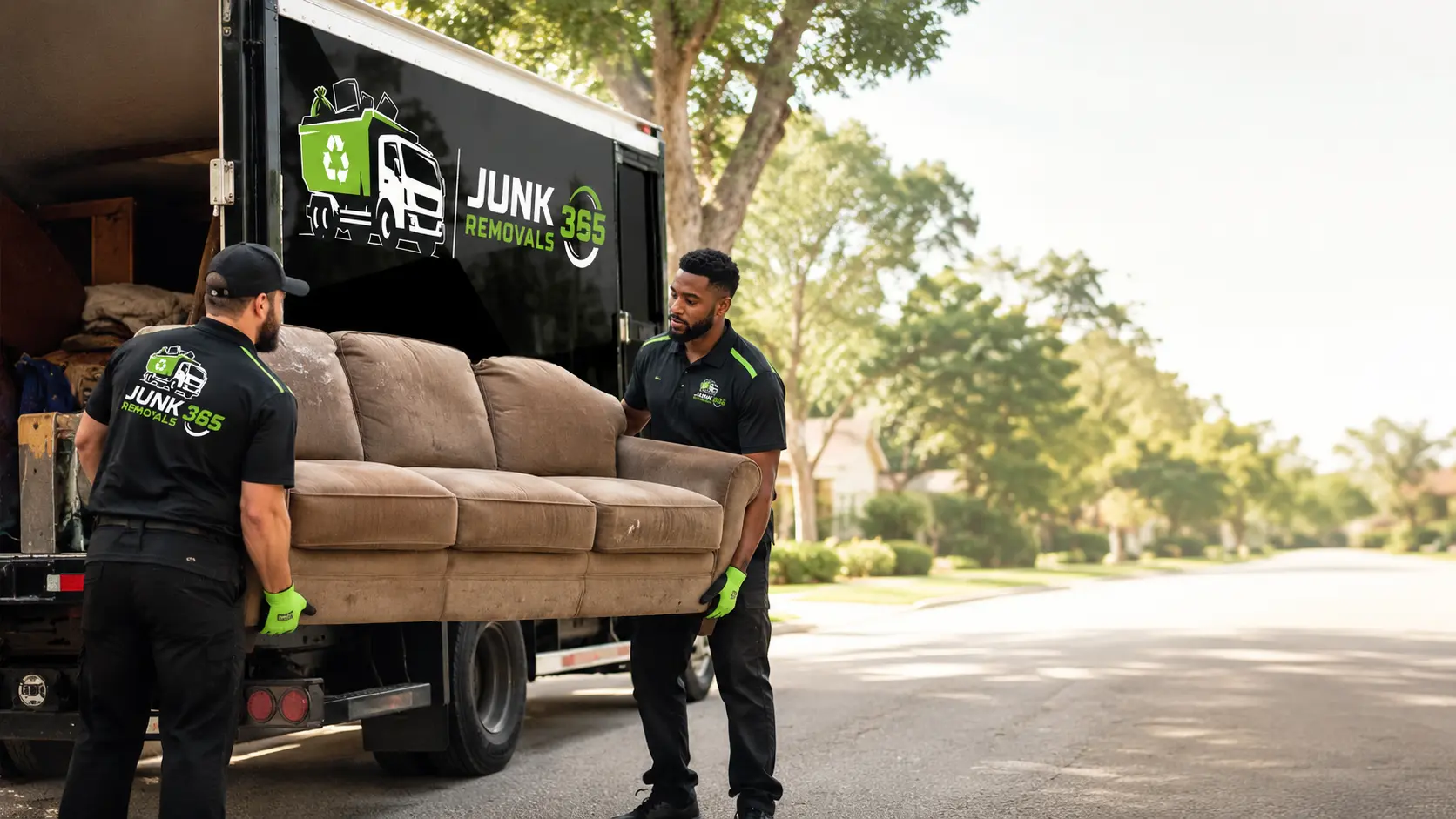
Planning the removal of old couch items is easier when you know your building rules, donation options, and disposal limits. This guide explains what households across National service areas should check before booking couch removal.
Why Old Couch Removal Takes More Planning Than Most People Expect
The removal of old couch items sounds simple until the sofa has to fit through a narrow hallway, down a third-floor walk-up, past an HOA gate, or out of a rental before the keys are due back. Couches are bulky, awkward to lift, and often too large for normal trash collection. Even a lightweight loveseat can become a problem when it is wedged into an apartment elevator or blocked by a tight staircase landing.
Across National service areas, homeowners, tenants, landlords, and property managers deal with the same basic issue: a couch takes up valuable space, but local disposal rules are not always obvious. Some municipalities offer bulk pickup only on certain weeks. Some apartment communities fine residents for leaving furniture near dumpsters. Some donation centers decline sofas with pet damage, stains, odors, broken frames, or missing cushions. That is why many people compare DIY options with professional couch removal services before deciding how to handle the job.
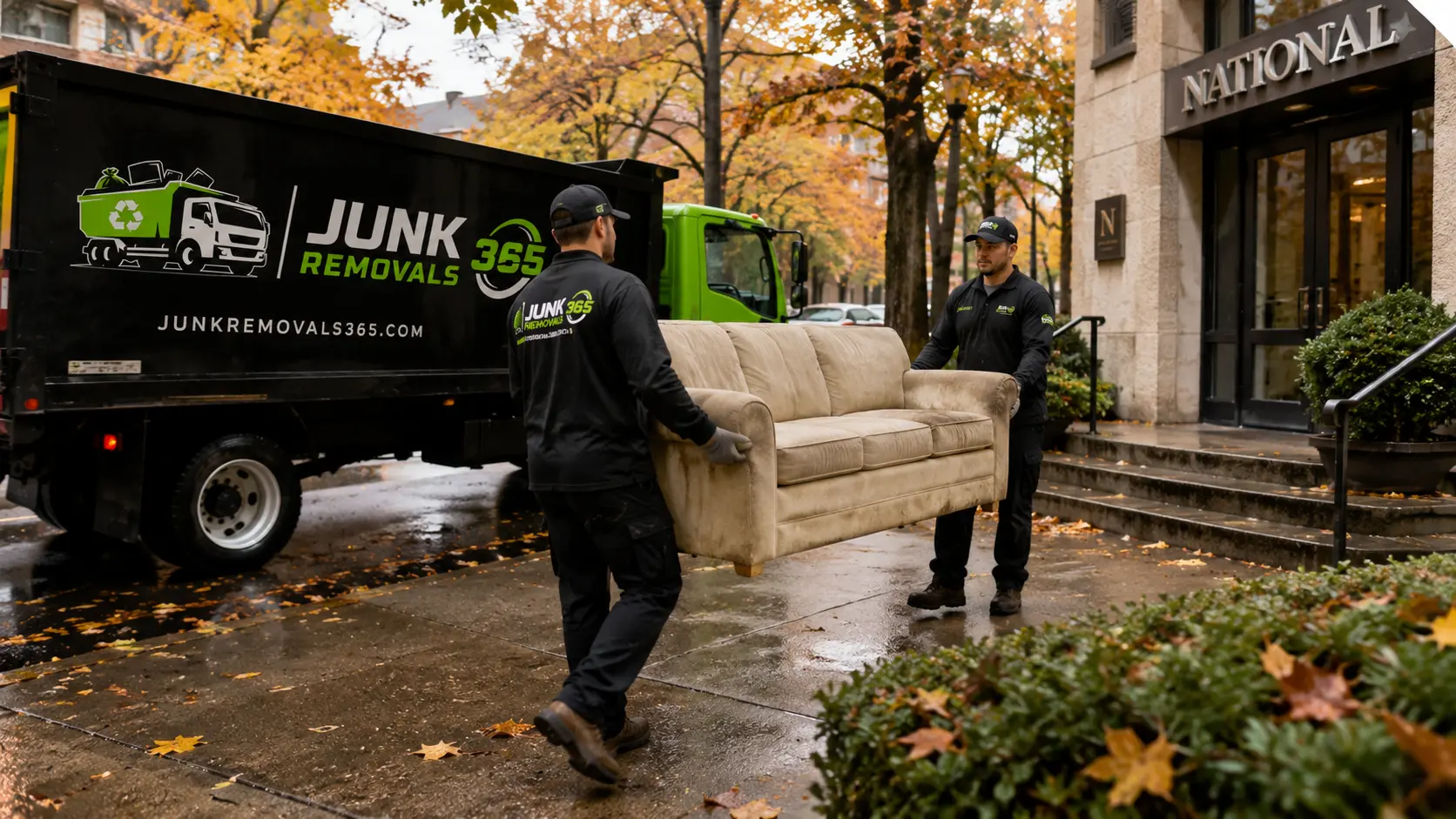
Before booking sofa haul away, it helps to understand what the crew needs to know, what you should prepare, and what can affect the final disposal route. A little planning can prevent delays, reduce damage risk, and make the appointment much easier for everyone involved.
What to Check Before You Book Couch Removal
Booking couch removal is not only about choosing a pickup time. The best appointments start with clear details about the couch, the property, and the access route. This is especially important in dense neighborhoods, high-rise buildings, townhome communities, student rentals, and suburban homes with long driveways or narrow side yards.
Before scheduling, gather the basics:
- The type of couch, such as sectional, sleeper sofa, reclining sofa, loveseat, futon, or sofa bed.
- The approximate size, number of pieces, and whether it is especially heavy.
- The pickup location, including floor level, elevator access, stairs, parking limits, and gate codes.
- Any property restrictions from a landlord, HOA, condo board, or apartment manager.
- The condition of the couch if you are hoping for donation or recycling options.
These details help determine how many people may be needed, whether tools are required, and how long the appointment may take. A sleeper sofa, for example, can weigh much more than a standard couch because of the metal bed frame inside. A sectional in a basement may require different handling than a couch sitting in a garage.
Measure Doorways, Stairs, Elevators, and Tight Corners
One of the most common surprises during couch removal is access. A sofa that entered the home years ago may not leave easily after renovations, new railings, replacement doors, or added furniture changed the path. If you live in an older apartment building, a narrow duplex, or a home with sharp stair turns, measurements matter.
Measure the couch length, depth, and height, then compare those numbers with doorways, stairwells, elevator interiors, and hallway corners. You do not need perfect measurements, but knowing the tight spots helps the crew plan. If the couch was assembled inside the room or has removable feet, cushions, legs, or sectional connectors, mention that during booking.
Check Apartment, HOA, and Landlord Rules
Many couch disposal headaches come from property rules rather than the couch itself. Apartment complexes may require a certificate of insurance, reserved elevator time, or specific loading dock access. HOAs may prohibit furniture from being placed curbside before a certain hour. Landlords may require removal before the final walkthrough so the unit can be photographed, cleaned, and listed quickly.
If you are moving out, ask whether the couch can remain inside until pickup or whether it must be removed before a cleaning crew arrives. For landlord turnover, eviction cleanouts, and short-notice lease endings, scheduling the pickup early can help avoid storage fees, fines, or delayed deposits.
Comparing Couch Removal Options
There is no single best way to throw away a couch because the right choice depends on your timeline, vehicle access, physical ability, local rules, and the condition of the furniture. The comparison below shows how common options differ.
| Option | Best For | Common Challenges |
|---|---|---|
| DIY landfill or transfer station drop-off | People with a truck, help lifting, and time to confirm facility rules | Heavy lifting, fuel costs, disposal fees, and possible unloading requirements |
| Municipal bulk pickup | Residents with flexible timing and clear curbside rules | Limited pickup days, item limits, curb restrictions, and missed pickups |
| Donation pickup | Clean, usable couches in good condition | Strict acceptance standards and limited appointment availability |
| Professional couch removal | Fast removal from inside homes, apartments, garages, and rentals | Requires clear access details and scheduling a service window |
If you are wondering how to throw away a couch without borrowing a truck or risking damage to walls and floors, professional pickup is often the most practical option. This is especially true for large sectionals, sofa beds, recliners, and couches located upstairs or in basement living areas.

Donation, Recycling, and Disposal: Where an Old Couch Can Go
Many people hope their old sofa can be reused instead of dumped. That is a good goal, but the final destination depends on condition, local demand, and facility requirements. Some couches can be donated to nonprofit thrift stores, community programs, or resale organizations. Others may be routed toward couch recycling when materials can be separated, while heavily damaged items may need disposal through an approved waste facility.
Donation rules vary widely. For example, someone researching furniture donation San Diego may find different acceptance standards than a household in a colder market where fabric couches with moisture damage are less desirable. The same idea applies across National service areas: donation is possible only when the couch is clean, safe, and useful for the next owner.
When Donation Makes Sense and When It Does Not
A couch is more likely to be accepted for donation when it has no major stains, odors, broken springs, torn upholstery, pest concerns, or structural damage. It should be something another household would reasonably want to use. If the couch has been stored in a damp garage, left outside in the rain, damaged by pets, or affected by smoke odor, donation centers may refuse it.
Recycling may be an option for certain materials, but couches are complicated. Wood frames, metal mechanisms, foam cushions, fabric, leather, and staples are not always easy to separate. Local recycling access can also change by county, hauler, and transfer station. A responsible removal provider can help direct the item toward donation, recycling, or disposal whenever those options are available.
Cost and Scheduling Factors for Sofa Haul Away
The cost of sofa haul away usually depends on size, volume, weight, location inside the property, and the difficulty of removal. A small loveseat sitting in a garage is typically easier than a sleeper sofa on the second floor of a townhouse. A three-piece sectional may take more truck space than a single couch, and an oversized reclining sofa may require extra lifting care.
Scheduling can also be affected by local conditions. Rain or snow can slow loading. Downtown parking restrictions may require a shorter pickup window or loading zone planning. Apartment elevator reservations can limit available times. In suburban neighborhoods, HOA rules may require pickup during certain hours so furniture is not visible at the curb overnight.
If you need a fast appointment, provide clear photos and access notes when requesting service. You can also start with professional sofa haul away to understand the type of pickup available for your situation.
Simple Preparation Checklist Before Pickup Day
A few minutes of preparation can make couch removal faster and reduce the chance of property damage. You do not need to do the heavy lifting, but it helps to clear a safe path.
- Remove blankets, pillows, toys, remotes, coins, and personal items from under cushions.
- Check pull-out beds, recliner pockets, and storage compartments.
- Move small tables, lamps, rugs, planters, and fragile items away from the removal path.
- Secure pets in another room before the crew arrives.
- Confirm elevator reservations, gate codes, parking instructions, and loading dock access.
- Take photos of tight corners or stairways if the couch is large or unusually heavy.
- Ask your landlord or property manager where the truck can legally load.
For moving cleanouts, it is smart to schedule couch pickup before the final day. That leaves time to vacuum the area, patch scuffs if needed, and confirm that no bulky items remain. For homeowners preparing for renovations, removing the couch early can create more room for contractors, flooring crews, painters, and delivery teams.

FAQ About Booking Removal of Old Couch Items
These are the questions people most often ask before arranging the removal of old couch items from homes, apartments, and rental properties.
Can I Put a Couch at the Curb?
Sometimes, but not always. Municipal bulk pickup rules vary by city, county, and neighborhood. Some areas require advance scheduling, tags, or specific collection days. Others will not take upholstered furniture at all, or they may require plastic wrapping for mattresses and certain fabric items. Apartment and condo communities may also prohibit curb placement or dumpster-area dumping. When in doubt, confirm the rule before moving the couch outside.
Do I Need to Take the Couch Apart First?
Usually, no. Many couches can be removed in one piece or separated into sections by the crew. However, removing loose cushions, detachable legs, or simple sectional clips can help if access is tight. Do not force disassembly if you are unsure how the couch is built, especially with recliners or sofa beds that contain metal parts and tension mechanisms.
What Happens to the Couch After Pickup?
After pickup, the couch may be evaluated for donation, reuse, recycling, or disposal. Clean and functional couches have the best chance of being reused. Items with structural damage, pest concerns, heavy staining, or water damage are less likely to be accepted by donation partners. Responsible removal focuses on using practical disposal routes while keeping local rules and facility requirements in mind.
Book Couch Removal With Less Guesswork
The easiest couch removal appointments happen when you know the access route, property rules, couch condition, and timing needs before booking. Whether the couch is blocking a garage, slowing down a move-out, taking up space in a rental, or sitting in a living room after a new furniture delivery, planning ahead helps prevent fines, damage, and last-minute stress.
For a smoother appointment, measure tight spaces, check HOA or apartment policies, decide whether donation is realistic, and clear the path before the crew arrives. When you are ready to remove the sofa without handling the lifting yourself, Junk Removals 365 can help with practical old couch removal options that fit your cleanup timeline.

Written by
junk removals 365 team
The Junk Removals365 Team shares expert tips and insights on junk removal, cleanouts, recycling, and clutter-free living, helping homeowners and businesses keep their spaces clean and organized.
Our Related Services
Furniture Removal
From single pieces to full-room clearouts — we remove any furniture, any size, from any room.
Junk Removal
Full service junk removal for homes and businesses — same-day pickup, upfront pricing, and eco-friendly disposal you can count on.
Mattress Removal
Responsible mattress disposal that keeps 90% of materials out of the landfill — any size, any floor.