
Old couch disposal can be frustrating when curb rules, apartment policies, and landfill limits get in the way. This guide explains practical couch removal options for households nationwide.
Old Couch Disposal Is Not as Simple as Dragging It to the Curb
Old couch disposal sounds easy until the sofa is halfway through the doorway, the legs scrape the trim, and the local trash company says oversized furniture is not accepted on your regular pickup day. Across the country, households run into the same problem: a couch is too bulky for a bin, too heavy for one person, and often restricted by city, apartment, or landfill rules.
The challenge is even bigger when the couch is stained, broken, water damaged, or too worn out for donation. A bulky sectional from a finished basement, a sleeper sofa in a second-floor apartment, or a recliner sofa in a tight townhouse can quickly turn into a full afternoon project. That is why many people compare curbside pickup, donation, renting a truck, and professional couch removal services before deciding what to do.
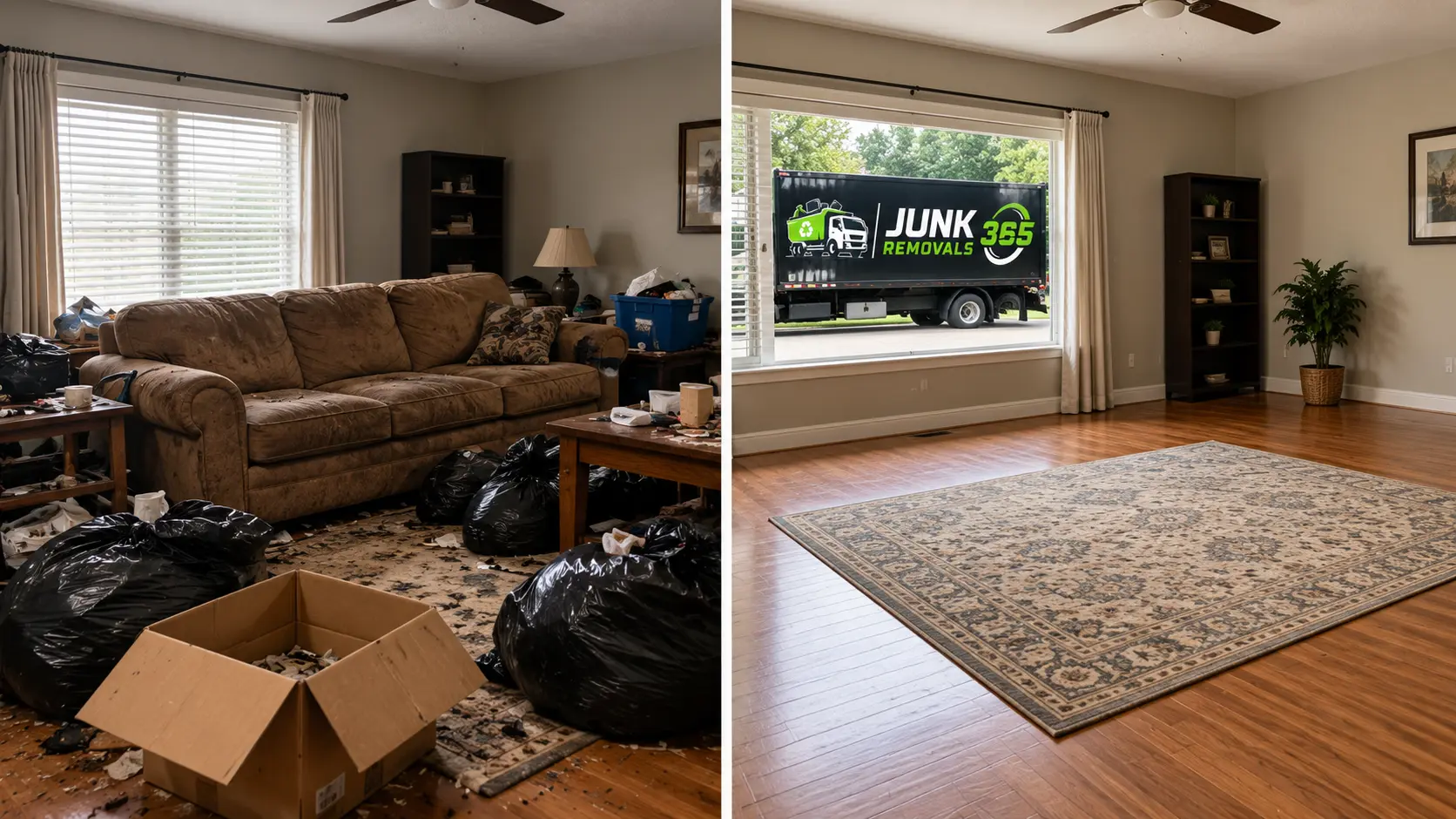
This guide explains where to dispose of an old couch, when a couch dump is an option, what to expect from a couch removal service near me search, and how to prepare your sofa so pickup day goes smoothly.
Your Main Options for Old Couch Disposal
There is no single best option for every sofa. The right choice depends on the couch condition, your vehicle access, local waste rules, building restrictions, and how quickly the item needs to be gone. In many suburban neighborhoods, bulk pickup may be available only once or twice per month. In apartment communities, leaving a couch near a dumpster can lead to fines or lease violations.
- Municipal bulk pickup: Some cities allow scheduled bulk furniture pickup, but you may need to book in advance, place the couch in a specific location, and follow size limits.
- Donation: Charities may accept gently used sofas, but most will reject items with stains, odors, pet damage, missing cushions, or structural problems.
- Landfill or transfer station: A local dump may accept couches, but you will need transportation, lifting help, tie-downs, and possibly proof of residency.
- Retailer haul-away: Some furniture stores remove an old sofa when delivering a new one, though this is not always included and may have strict placement rules.
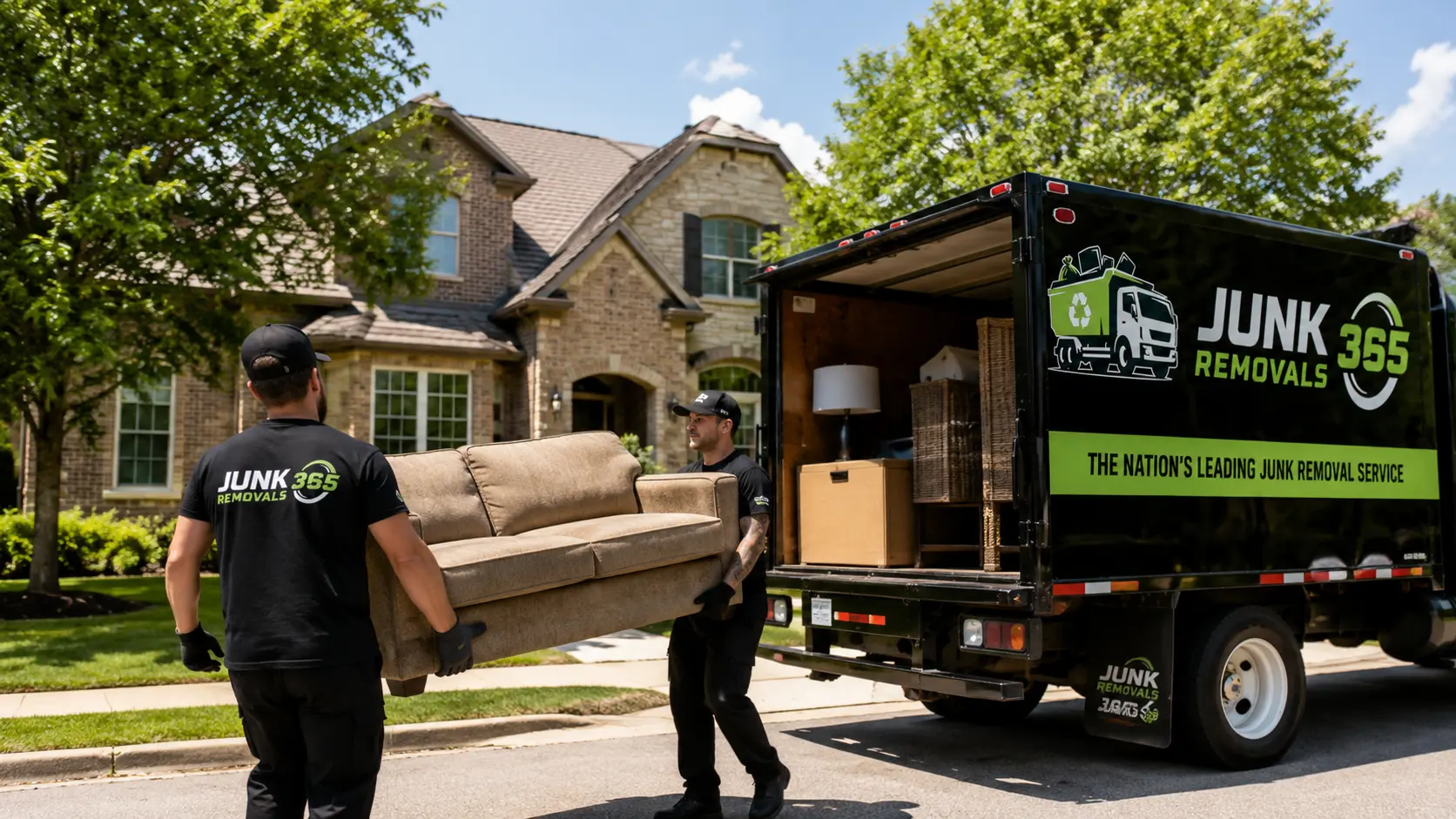
- Professional pickup: A couch removal crew can remove the sofa from inside the home, apartment, garage, curb, or storage unit.
When a Couch Removal Service Near Me Makes Sense
A professional pickup is often the most practical choice when the couch is heavy, upstairs, wedged in a hallway, or needed out before a move-out inspection. Landlords use couch removal services during rental turnover when tenants leave furniture behind. Homeowners use them after remodeling, downsizing, replacing old living room furniture, or cleaning out a garage after years of storage.
If you are already searching for a couch removal service near me, it usually means timing and labor matter. You may not have a truck, a second helper, or the ability to wait for the next city bulk day. A crew can handle the lifting, loading, routing, and disposal so you are not trying to muscle a sagging sofa into a borrowed pickup truck.
What Affects the Cost of Couch Removal
Couch removal pricing is usually based on volume, weight, labor, access, and disposal requirements. A small loveseat by the curb is very different from a full sleeper sofa in a third-floor walk-up. Weather can also matter. After heavy rain, snow, or storm cleanup, wet furniture may be heavier and harder to handle, especially if it has been sitting outside.
Common factors that can affect the final cost include:
- The size of the item, such as loveseat, sofa, sectional, recliner sofa, or sleeper sofa.
- Where the couch is located, including curbside, garage, upstairs bedroom, basement, apartment, or storage unit.
- Whether doors, stairwells, elevators, or tight corners make removal more difficult.
- Local landfill, transfer station, or recycling fees for upholstered furniture.
- Whether additional junk, cushions, tables, mattresses, or chairs are removed at the same time.
For larger cleanouts, pairing couch pickup with broader junk removal can be more efficient than scheduling multiple trips for separate items.
Apartment, HOA, and Rental Turnover Challenges
Old couch disposal gets more complicated in shared communities. Apartment managers often prohibit residents from leaving sofas beside dumpsters because bulk items can block access, attract complaints, and increase waste fees for the property. Elevator reservations, loading dock hours, and hallway protection may also apply.
HOA neighborhoods may have rules about when bulk items can be placed outside, how long they can remain visible, and whether furniture must be hidden from the street until the scheduled pickup window. In planned communities, putting a couch at the curb too early can trigger warnings or fines.
Rental turnover brings its own urgency. A landlord may need a couch gone before cleaners, painters, flooring installers, or new tenants arrive. In student rentals and short-term rentals, abandoned couches are common after move-out weekends. Fast removal can prevent delays and help the property look cared for during showings or inspections.
Donation, Recycling, and Responsible Disposal
Not every sofa belongs in a landfill. If the couch is clean, structurally sound, and free of odors or pests, donation may be a good option. However, donation centers must protect their staff and customers, so they often reject upholstered furniture that is torn, heavily worn, smoky, damp, or missing parts.
Recycling upholstered furniture is more difficult than recycling metal or cardboard because couches are made from mixed materials. A single sofa can include wood framing, metal springs, foam, fabric, staples, plastic feet, and sometimes a pull-out mattress mechanism. Some disposal facilities separate recoverable materials, while others process the item as bulky waste.
Responsible old couch disposal means choosing the best available route for the condition of the item. That may be donation for a clean loveseat, recycling where accepted, or proper disposal for a broken sectional. When other bulky items are involved, furniture removal can help clear rooms without sending you on multiple trips around town.
Couch Disposal Options Compared
The easiest choice is not always the cheapest, and the cheapest choice is not always realistic. Use the comparison below to decide what fits your situation.
| Disposal option | Best for | Watch out for |
|---|---|---|
| City bulk pickup | Residents with flexible timing and curb access | Scheduling delays, item limits, and placement rules |
| Donation | Clean couches in good usable condition | Strict acceptance standards and limited pickup areas |
| Couch dump or transfer station | People with a truck, helpers, and local facility access | Dump fees, lifting, tie-downs, and operating hours |
| Professional couch removal | Heavy sofas, apartments, stairs, quick cleanouts, and move-outs | Cost varies by size, access, and additional items |
For many households, the deciding factor is not just money. It is time, safety, and convenience. If you cannot lift the sofa safely or cannot leave it outside without violating local rules, paying for removal can prevent damage, fines, and stress.
How to Prepare Your Sofa for Pickup
A little preparation can make old couch disposal faster and cleaner. You do not need to dismantle the entire sofa unless asked, but clearing access helps the crew work safely and reduces the chance of bumps against walls or door frames.
- Remove pillows, blankets, remotes, coins, toys, and anything hidden between cushions.
- Check under and behind the couch for personal items before pickup.
- Clear a path through the room, hallway, stairwell, or elevator area.
- Let the removal team know about stairs, tight turns, gated access, or parking restrictions.
- If the couch has pests, mold, or water damage, mention it before scheduling.
- For apartments or condos, confirm elevator times, loading zones, and building requirements.

If you are coordinating a move, schedule pickup before the final cleaning day. Removing the sofa first gives cleaners more room to work and helps you spot carpet stains, wall scuffs, or repairs that were hidden behind the furniture.
FAQ About Old Couch Disposal
Because disposal rules vary widely by city, county, building, and facility, it is smart to confirm details before moving a couch outside. These are the questions people ask most often when deciding what to do with an unwanted sofa.
Can I Leave an Old Couch at a Couch Dump?
Often, yes, but not always without restrictions. A landfill or transfer station may accept couches during posted hours and may charge a fee based on weight, item type, or vehicle load. Some facilities require proof that you live in the service area. Others restrict upholstered furniture after weather events, pest concerns, or facility changes. Before loading the sofa, call ahead and ask whether they accept upholstered furniture, what the fee is, and whether you need to separate cushions or remove metal parts.
Do Couch Removal Services Take Sleeper Sofas?
Yes, most professional couch removal services can take sleeper sofas, recliner sofas, and sectionals. These items are heavier because of metal frames, pull-out beds, or reclining hardware. If the sofa is upstairs or in a tight space, mention that when scheduling so the crew can arrive prepared. Do not try to remove the sleeper mechanism yourself unless you know how to do it safely; the metal frame can shift unexpectedly and cause injuries.
People also ask whether a couch must be outside before pickup. In many cases, it does not. A full-service crew can remove the couch from inside the home, garage, basement, apartment, or storage unit as long as there is safe access and the item can be legally removed from the property.
A Cleaner Room Starts with a Simple Pickup Plan
Old couch disposal is easier when you match the method to the situation. A clean, gently used sofa may be worth donating. A small couch near the curb may work for municipal bulk pickup. But a heavy sectional, sleeper sofa, upstairs apartment couch, or abandoned rental item often calls for professional help.
Before deciding, check local rules, consider how much lifting is involved, and think about your timeline. If the sofa is blocking a move, renovation, landlord turnover, or garage cleanout, scheduling a pickup can be the most straightforward path. With the right plan, you can clear the space, avoid disposal headaches, and move on to the next project without letting one old couch slow everything down.

Written by
junk removals 365 team
The Junk Removals365 Team shares expert tips and insights on junk removal, cleanouts, recycling, and clutter-free living, helping homeowners and businesses keep their spaces clean and organized.
Related Resources
Our Related Services
Junk Removal
Full service junk removal for homes and businesses — same-day pickup, upfront pricing, and eco-friendly disposal you can count on.
Furniture Removal
From single pieces to full-room clearouts — we remove any furniture, any size, from any room.
Mattress Removal
Responsible mattress disposal that keeps 90% of materials out of the landfill — any size, any floor.